
Narrow Therapeutic Index: Why Some Medications Need Extra Care
When a drug has a narrow therapeutic index, a small difference between the effective dose and the toxic dose. Also known as low therapeutic index, it means your body can’t tolerate much variation in how much you take—too little won’t help, too much can hurt you. This isn’t just a technical detail. It’s a life-or-death margin for some of the most commonly prescribed pills.
Drugs like levothyroxine, used to treat underactive thyroid, warfarin, a blood thinner, and phenytoin, an anti-seizure medicine all sit right on this edge. Even small changes—switching from brand to generic, eating grapefruit, or skipping a dose—can throw your levels off. That’s why patients on these drugs often need regular blood tests. It’s not overcaution. It’s basic safety.
You’ll find this same concern in other areas too. When you switch from a brand to a generic, it’s usually fine. But for drugs with a narrow therapeutic index, that switch can trigger side effects or make the drug stop working. That’s not because generics are unsafe—it’s because the body reacts to tiny differences in how the drug is absorbed. That’s why some doctors avoid automatic substitution for these meds. And it’s why caregivers need to double-check labels, timing, and interactions. Even something as simple as taking thyroid meds with coffee or calcium can mess with absorption.
The posts below dive into real cases where this matters: why switching generics caused problems, how to take levothyroxine right, what to watch for with anticoagulants, and why some people feel worse after a generic switch. These aren’t theoretical risks. People are living with these margins every day. Whether you’re on one of these drugs yourself, caring for someone who is, or just trying to understand why some pills come with more warnings than others, this collection gives you the facts you need to stay safe.
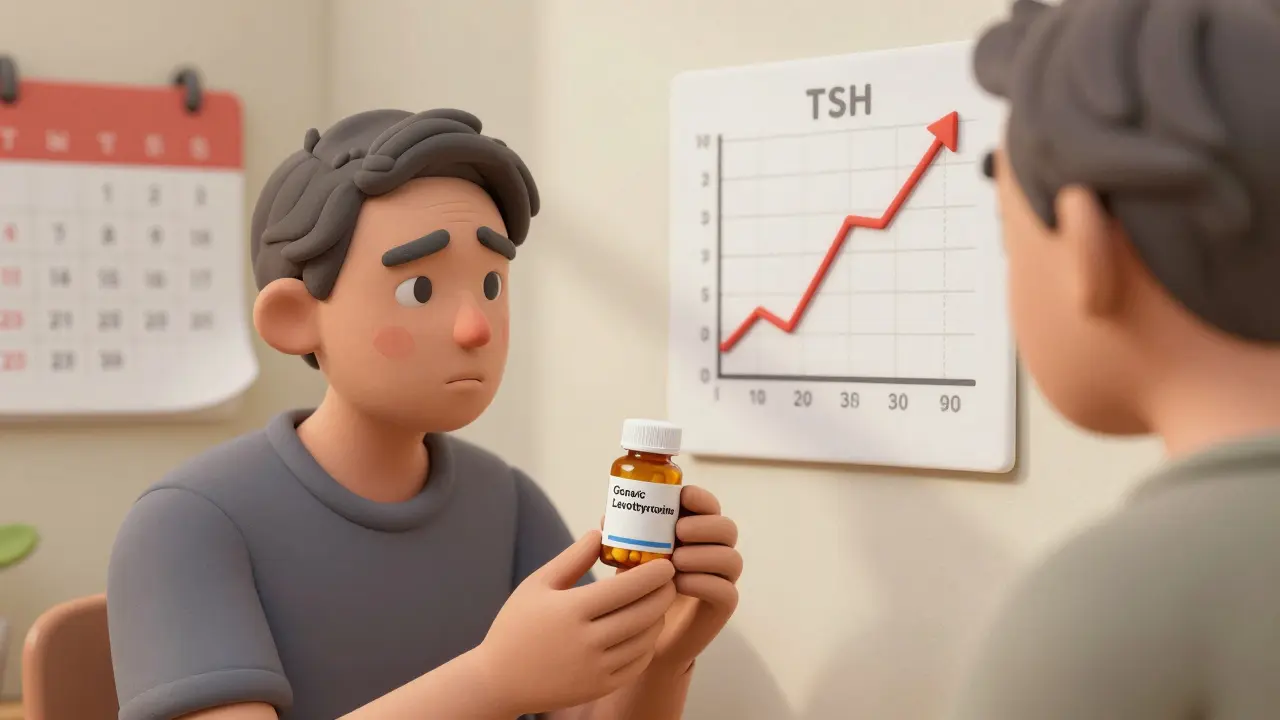
Switching to a generic medication can save money, but not all generics work the same. Learn how to track effectiveness, recognize warning signs, and take action if your drug isn't working after a switch.
Jan, 16 2026
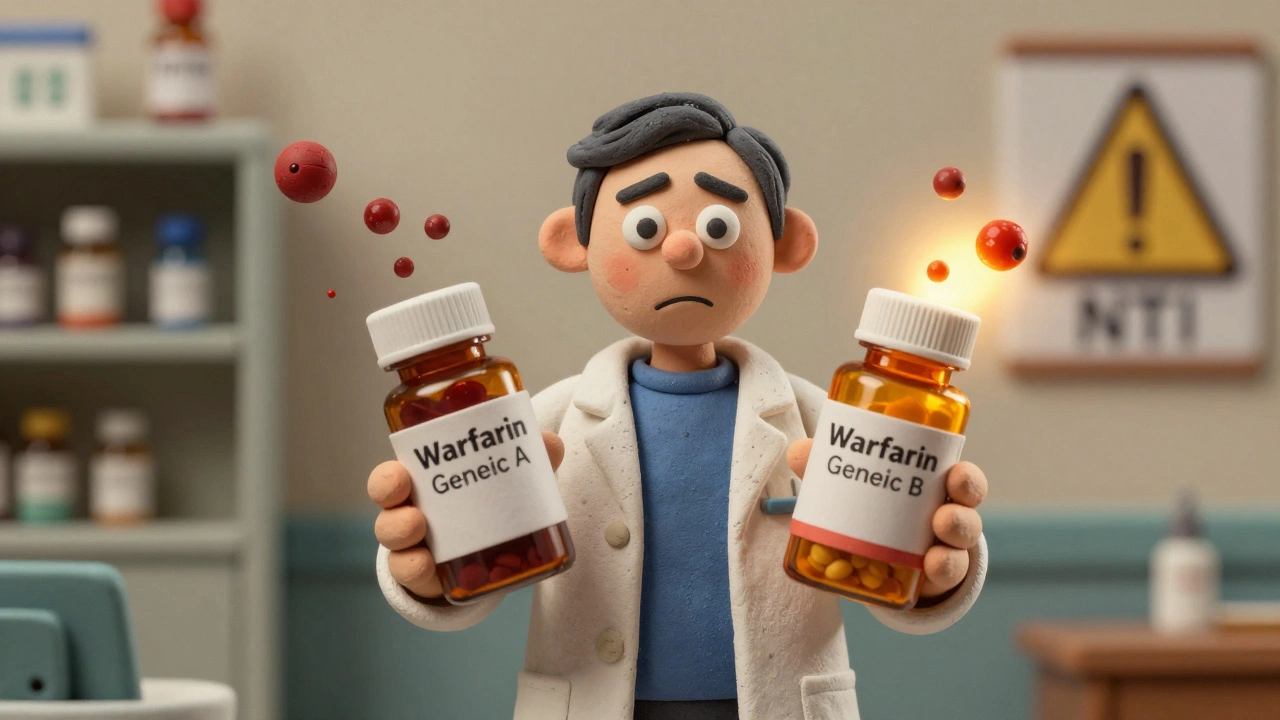
Pharmacists are raising alarms about NTI generics-medications like warfarin and levothyroxine where tiny dose changes can cause serious harm. Despite cost savings, switching between generics can lead to dangerous fluctuations. Here’s what’s really happening behind the pharmacy counter.
Dec, 4 2025