
Therapeutic Failure Generic: When Generic Drugs Don't Work Like They Should
When a generic drug stops working the way the brand-name version did, that’s called therapeutic failure generic, a situation where a patient’s condition worsens after switching to a generic version despite both drugs being labeled as bioequivalent. This isn’t rare—it happens most often with drugs that have a narrow therapeutic index, medications where even tiny changes in blood levels can cause harm or reduce effectiveness. Think of it like a car that runs fine on one brand of gas but sputters on another, even though both claim to be unleaded. For drugs like levothyroxine, a thyroid hormone replacement where a 10% difference in absorption can throw off your TSH levels or warfarin, a blood thinner where small dose shifts increase stroke or bleeding risk, these tiny differences matter a lot.
Pharmacists and patients alike are seeing this more often. A switch from one generic to another—sometimes even within the same pharmacy—can trigger side effects, loss of symptom control, or lab value swings. It’s not about quality control failures; it’s about how the body absorbs the active ingredient. Fillers, coatings, and manufacturing processes vary between generic makers, and for drugs with a narrow therapeutic index, those variations add up. That’s why the FDA calls these NTI generics, a category of medications where substitution requires extra caution. If you’re on one of these drugs and feel worse after a switch—fatigue, heart palpitations, unexplained bruising, or mood changes—it’s not in your head. It’s a documented issue backed by clinical reports and pharmacist surveys.
What makes this even trickier is that most people don’t know to ask. Generic substitution happens automatically unless you opt out. And many doctors assume bioequivalence means interchangeable. But for some, it’s not. If you’ve had a therapeutic failure with a generic, track your symptoms, note the brand or manufacturer name on the bottle, and talk to your pharmacist. You might need to stick with one specific generic—or even go back to the brand. This collection of posts dives into real cases, what drugs carry the highest risk, how to spot trouble early, and how to advocate for yourself when your medication stops working.
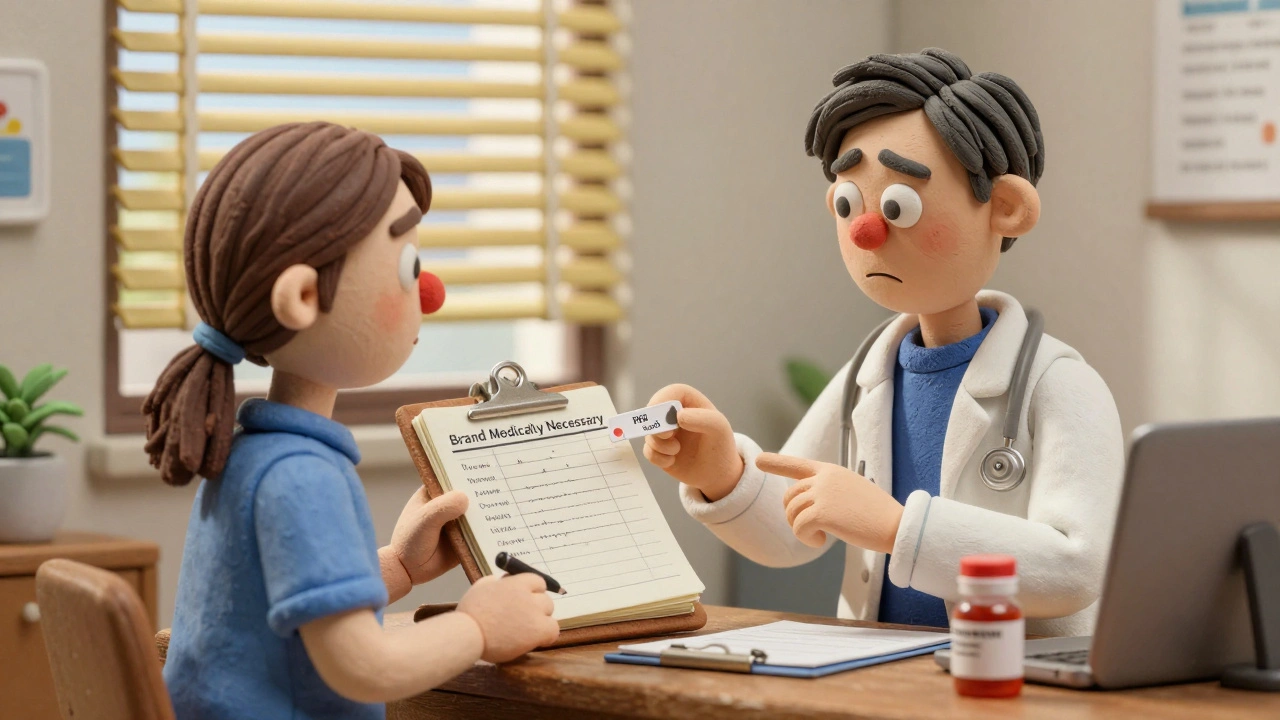
Switching from a generic to a brand medication isn't always simple. Learn the medical, legal, and insurance steps to safely make the switch when generics cause side effects or fail to work - backed by FDA guidelines and real patient experiences.
Dec, 2 2025