
Dangerous Medication Combinations: Risks, Interactions, and What to Avoid
When you take more than one medication, you’re not just adding effects—you’re creating new ones. dangerous medication combinations, mixes of drugs that can trigger life-threatening reactions like internal bleeding, heart failure, or severe sedation. Also known as drug interactions, these happen when one drug changes how another works in your body—sometimes in ways no doctor expects. It’s not always about prescription pills. Over-the-counter painkillers, herbal supplements, even grapefruit juice can turn a safe routine into a medical emergency.
Take anticoagulants, blood thinners like apixaban or rivaroxaban used to prevent clots. Combine them with NSAIDs like ibuprofen or naproxen, and you increase bleeding risk dramatically. Or consider opioids, painkillers like oxycodone or hydrocodone paired with anti-anxiety meds like benzodiazepines—this combo slows breathing to dangerous levels. Even something as simple as mixing metformin, a common diabetes drug with contrast dye for imaging tests can cause kidney damage if not timed right. These aren’t rare cases. They show up in ERs every day.
Older adults are especially at risk. People over 65 often take five or more meds—a pattern called polypharmacy. A pill for blood pressure, another for arthritis, a sleep aid, a stomach protector, and a vitamin supplement? Each one adds a new chance for conflict. Some interactions don’t show up until weeks later. Others hit fast: dizziness, confusion, fainting, or sudden swelling. You might think, "My doctor knows what I’m taking," but many don’t have the full picture. Pharmacies don’t always talk to each other. Family members forget to mention the turmeric capsules or the melatonin they started last month.
There’s no single list of "bad combos" that covers everyone. What’s risky for one person might be fine for another. But some patterns repeat: mixing sedatives, combining drugs that affect the same organ (like the liver or kidneys), or layering drugs with narrow therapeutic windows—where the difference between a dose that works and one that harms is tiny. That’s why switching to generics can sometimes trigger problems, especially with drugs like seizure meds or blood thinners. And if you’re breastfeeding, timing your doses matters—not just for your baby’s safety, but to avoid hidden interactions with your other meds.
This collection doesn’t just list dangers. It shows you how to spot them before they happen. You’ll find real examples of what went wrong, what worked, and how to talk to your pharmacist or doctor so you’re not left guessing. Whether you’re managing chronic pain, heart issues, mental health, or just trying to stay healthy with a handful of pills, knowing what to watch for could save your life—or someone else’s.
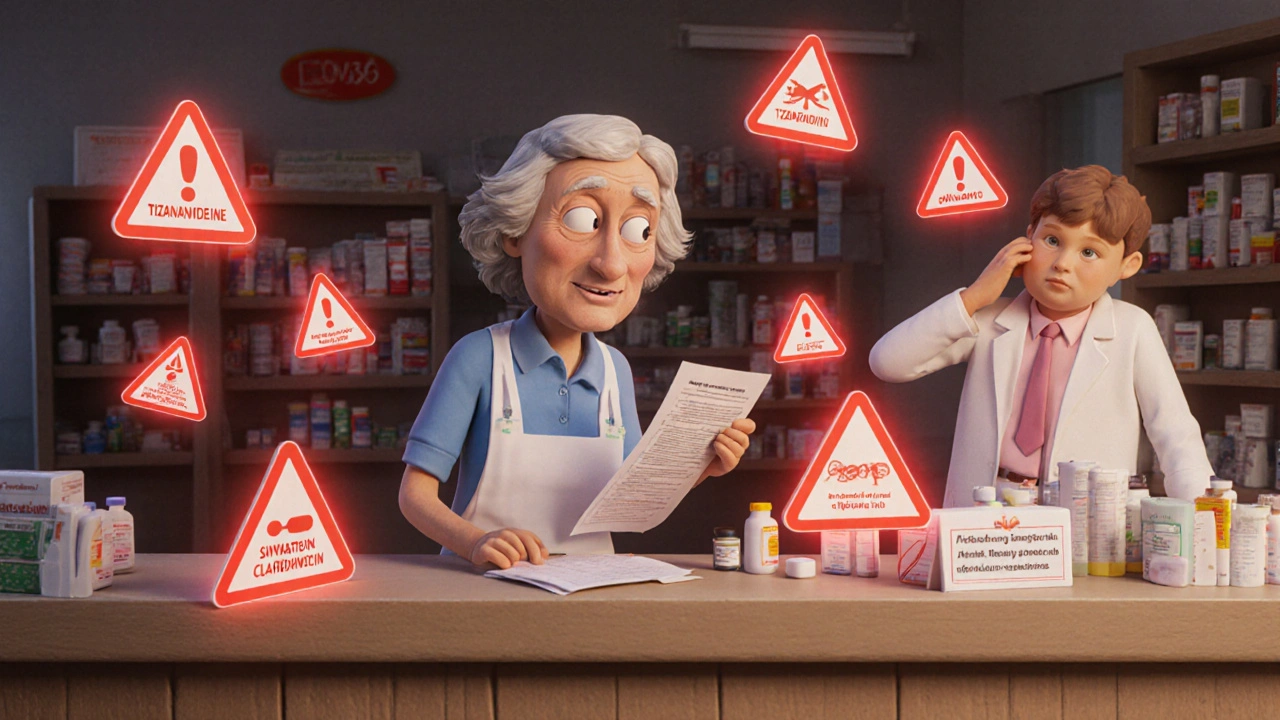
Certain drug combinations can cause life-threatening reactions-but many pharmacies miss them. Learn the top 5 dangerous interactions, why pharmacists overlook them, and how to protect yourself from preventable harm.
Nov, 22 2025