
Brand Medically Necessary: What It Means and Why It Matters for Your Prescriptions
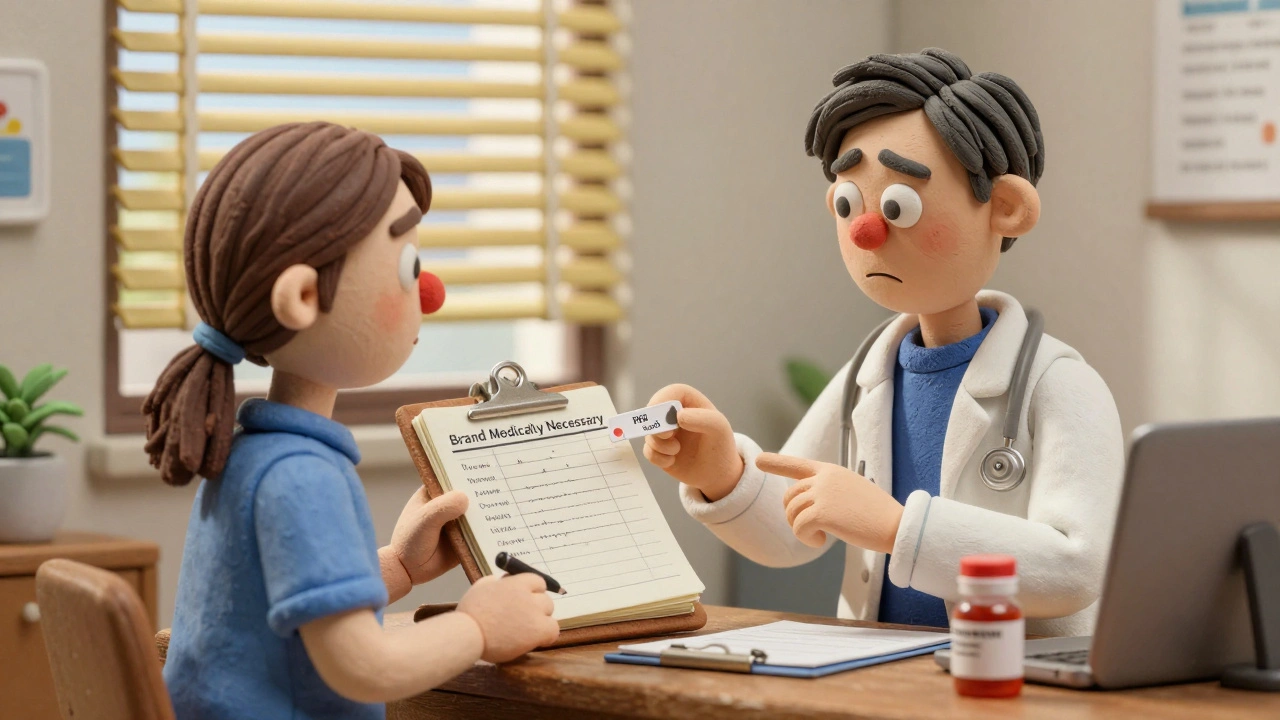
When a doctor says a medication is brand medically necessary, a designation used by insurers to justify covering a brand-name drug instead of a cheaper generic version. Also known as medical necessity exception, it’s not just a paperwork form—it’s often the difference between your treatment working or failing. This isn’t about preference. It’s about safety, stability, and sometimes, life or death.
Why does this happen? Some drugs, like levothyroxine, a thyroid hormone replacement where even tiny dose changes can throw off your TSH levels, or warfarin, a blood thinner where small variations can cause dangerous clots or bleeding, have a narrow therapeutic index, a technical term meaning the difference between a safe dose and a harmful one is very small. Switching generics—even ones approved by the FDA—can cause your body to react unpredictably. Pharmacists see this daily. Patients report new side effects, worse symptoms, or lab results that suddenly don’t match. That’s not coincidence. It’s science.
Insurance companies don’t approve these exceptions lightly. They require documentation: lab results, doctor notes, even proof that generics failed before. But many people don’t know they can ask. If you’ve been switched to a generic and feel off, talk to your doctor. Ask if your drug qualifies as brand medically necessary. You’re not being difficult—you’re protecting your health. And if your insurer denies it, you have the right to appeal. This isn’t about cost. It’s about control over your treatment.
The posts below dive into real cases where this matters: why switching generics caused hives in someone taking antihistamines, why a caregiver missed a dangerous interaction with levothyroxine and calcium, how cultural beliefs make people distrust generics even when they’re safe, and why some medications like sevelamer or apixaban need exact dosing to avoid hospital visits. You’ll find practical advice on how to push back when your insurance tries to swap your meds, how to talk to your pharmacist about stability, and what to do if you feel worse after a switch. These aren’t theory pieces. They’re stories from people who’ve been there—and the steps they took to get back on track.
Switching from a generic to a brand medication isn't always simple. Learn the medical, legal, and insurance steps to safely make the switch when generics cause side effects or fail to work - backed by FDA guidelines and real patient experiences.
Dec, 2 2025