
Switching to an Authorized Generic: Managing Patient Transitions
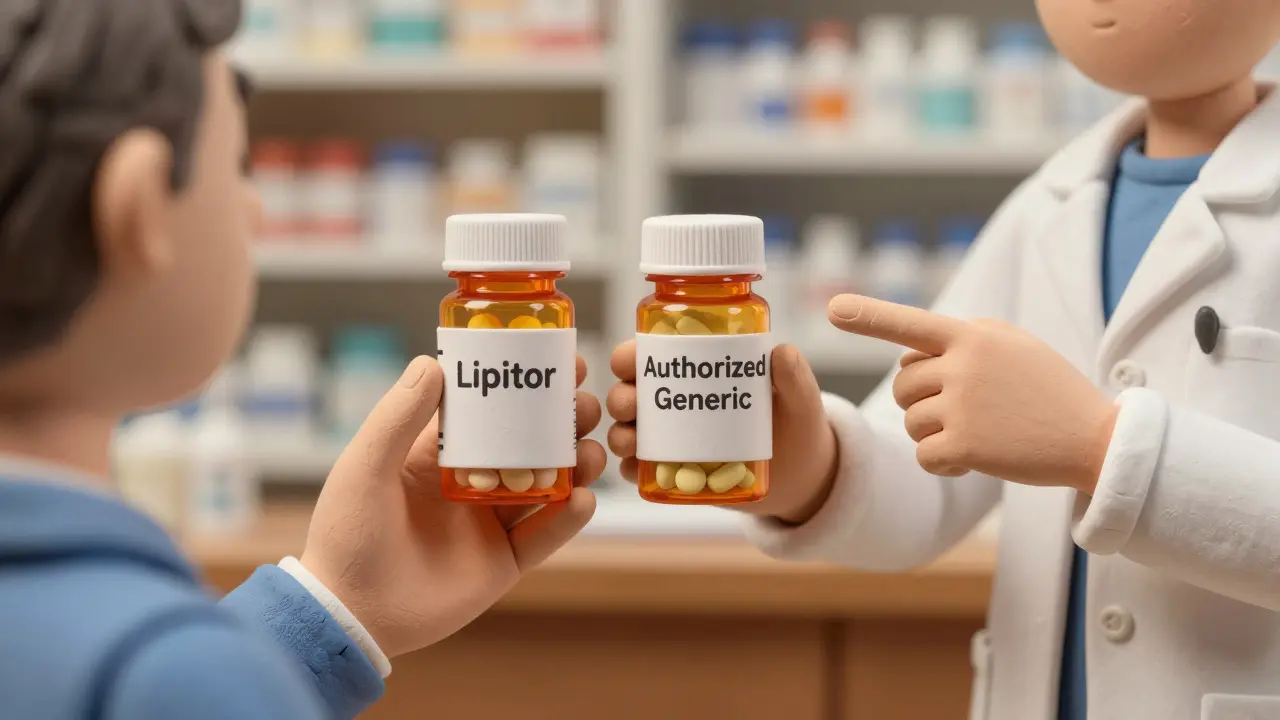
When a brand-name drug goes generic, patients often get handed a new pill with a different color, shape, or name-and no explanation. Many assume it’s the same medicine. But it’s not always. That’s where authorized generics come in. They’re not just another generic. They’re the exact same drug, made by the same company, in the same factory, with the same ingredients-just without the brand name on the bottle. For patients managing chronic conditions, switching to an authorized generic can mean fewer side effects, better adherence, and real savings. But getting there isn’t always simple.
What Makes an Authorized Generic Different?
An authorized generic isn’t approved through the usual generic process. It doesn’t need to prove bioequivalence because it’s not a copy-it’s the original. The brand-name manufacturer produces it, sometimes on the same line, using the same active and inactive ingredients. That means if you’ve taken the brand version for years, your authorized generic will feel, work, and even look almost identical. The only difference? The label says "generic" instead of "Lipitor" or "Advair".
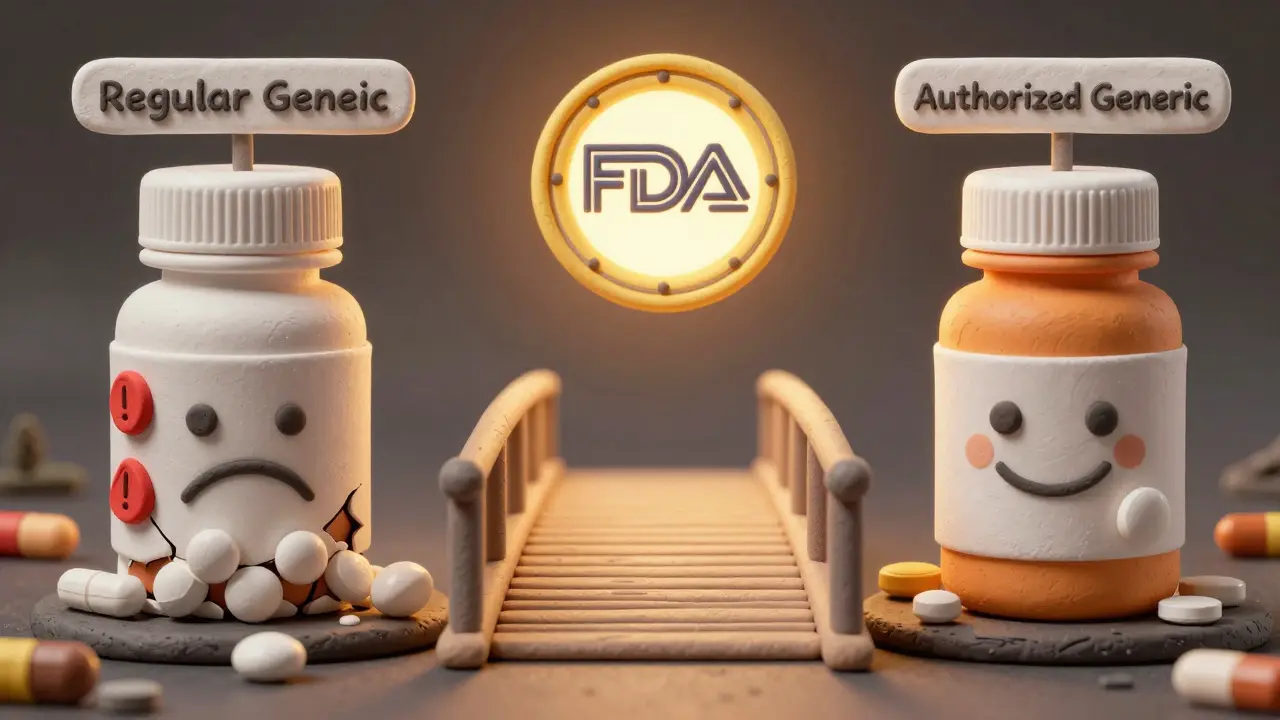
This matters because regular generics, while FDA-approved, can have different fillers, dyes, or coatings. For most people, that’s fine. But for patients with allergies, sensitivities, or narrow therapeutic index drugs-like warfarin, levothyroxine, or seizure medications-those tiny differences can cause real problems. Studies show 12.7% of patients have issues switching to regular generics due to inactive ingredients. With authorized generics, that number drops to 2.3%.
Why Patients Stick With Authorized Generics
Switching back to the brand-name drug is called a "switchback." It’s expensive for the system and stressful for patients. In one 2021 study, nearly 1 in 5 patients switched back after trying a regular generic. Only 7 out of 100 did the same with an authorized generic. That’s a 61% drop in switchbacks.
Why? Because they don’t feel different. A patient on asthma medication reported: "I switched to the authorized generic and didn’t notice a thing. No coughing, no wheezing-just the same relief at half the price." On community forums like Reddit and GoodRx, patients consistently praise authorized generics for their consistency. One person on r/pharmacy said, "I used to panic every time I got a new generic. Now I just grab the authorized one. I know it’s the same. No guesswork."
For older adults on multiple medications, that predictability is priceless. A 72-year-old on blood thinners told a pharmacist: "I used to get bruising after switching generics. With the authorized version, it stopped. I didn’t even have to ask why."
The Hidden Hurdles: Insurance and Access
Here’s the catch: just because an authorized generic exists doesn’t mean it’s easy to get. About 37.5% of brand-name drugs with generics also have an authorized version. That means for more than half of medications, you don’t have this option.
Even when available, insurance can make it harder. Some plans put authorized generics on a higher tier than regular generics-even though they cost less. One patient found out the hard way: "My insurance covered the brand-name drug for $10. The authorized generic was $55. The regular generic was $15. I stayed on the brand because I couldn’t afford to switch."
That’s not rare. In 28% of commercial insurance plans, authorized generics are priced as specialty drugs. Meanwhile, regular generics are treated like basic medications. This creates a perverse incentive: insurers save money by pushing cheaper generics, even if those generics cause more side effects and more doctor visits down the line.
How to Make the Switch Right
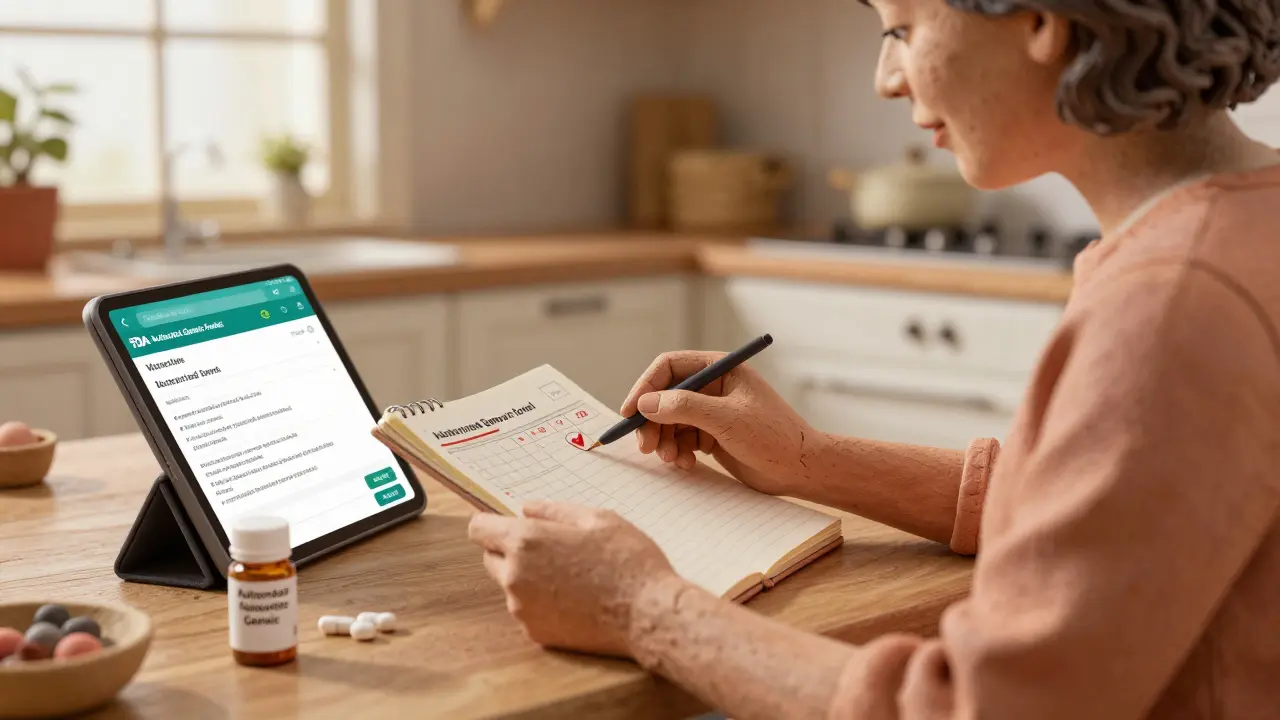
Switching to an authorized generic isn’t something you do on a whim. It needs planning. Here’s how to do it right:
- Check availability. Go to the FDA’s Drugs@FDA database or use their new "Authorized Generic Finder" tool. Type in your brand name. If an authorized version exists, it’ll show up with a note: "Authorized Generic: Yes."
- Call your pharmacy. Ask: "Is there an authorized generic for this drug? What’s the copay?" Don’t assume it’s cheaper. Some pharmacies don’t stock it unless you ask.
- Check your insurance. Log into your plan’s website or call customer service. Ask: "Is the authorized generic covered at the same tier as the regular generic?" If not, ask for a formulary exception.
- Talk to your prescriber. Don’t just ask for a switch. Ask: "Is there an authorized generic for this? Would you be comfortable prescribing it?" Some doctors don’t know the difference between authorized and regular generics.
- Monitor for 30 days. Even with identical ingredients, your body might react to the new packaging or pill size. Keep track of symptoms, side effects, or changes in how you feel. Report anything unusual.
Pharmacists say this process takes just 3-5 extra minutes when the patient is informed. Without it, it can take hours of back-and-forth calls and confusion.
Why Doctors and Pharmacists Recommend It
The American Pharmacists Association and the FDA both recommend authorized generics for patients on narrow therapeutic index drugs. These are medications where a small change in dose can mean the difference between healing and harm. For drugs like digoxin, cyclosporine, or levothyroxine, consistency isn’t optional-it’s life-saving.
Dr. Jane Axelrad, FDA’s Associate Director for Generic Drugs, says: "Authorized generics offer the therapeutic consistency of brand-name products with generic pricing. They’re especially valuable for managing transitions in complex therapeutic areas."
And it’s not just theory. A 2022 study found that switching patients on levothyroxine to an authorized generic reduced abnormal thyroid lab results by 34% compared to switching to a regular generic. That’s not a small win. It means fewer missed workdays, fewer ER visits, and less anxiety for patients.
The Bigger Picture: Market Changes and Future Access
The authorized generic market hit $18.7 billion in 2022. That’s 11% of the entire generic drug market. And it’s growing. More brand-name companies are launching authorized versions right when patents expire-sometimes even before competitors enter. That’s partly because of laws like the CREATES Act, which stops brand companies from blocking generic access.
Medicare Part D changed its rules in 2022 to require authorized generics to be covered at the same or lower cost than the brand. That’s helping over a million seniors. And by 2025, the FDA will require clearer labeling on authorized generics so pharmacies and patients can tell them apart from regular generics.
But there’s still work to do. Nearly 41% of patients don’t know authorized generics exist. And 63% of electronic health records still can’t tell the difference between authorized and regular generics in a patient’s medication list. That’s dangerous. Imagine a doctor seeing "levothyroxine" on a chart and thinking it’s the same no matter what brand. But if it’s a regular generic, and the patient had a bad reaction last time, that could be a missed red flag.
What Patients Can Do Now
You don’t need to wait for the system to fix itself. Here’s what you can do today:
- Ask your pharmacist: "Is there an authorized generic for my drug?"
- Check your copay. If the authorized generic costs more than the brand, ask why.
- Use the FDA’s Authorized Generic Finder. It’s free and easy to use.
- Keep a log of how you feel after switching. Note any changes in energy, mood, side effects, or lab results.
- If your insurance won’t cover it, ask for a prior authorization. Many plans will approve it if you show clinical need.
For patients on long-term meds, especially those with chronic conditions, an authorized generic isn’t just a cost-saving trick. It’s a way to keep your treatment stable, predictable, and safe. You’re not settling for less. You’re getting the same medicine, just without the brand name markup.
Are authorized generics the same as brand-name drugs?
Yes. Authorized generics are made by the same company that makes the brand-name drug, using the exact same active and inactive ingredients, in the same facility. The only difference is the label. They are not copies-they are the original product sold under a different name.
Why are authorized generics sometimes more expensive than regular generics?
Insurance plans sometimes misclassify authorized generics as specialty drugs, even though they cost less than the brand. This can happen because the system doesn’t distinguish between authorized and regular generics. Always check your copay directly with your pharmacy and insurance provider. If the authorized generic costs more, ask for a formulary exception or prior authorization.
Can I switch to an authorized generic without talking to my doctor?
Pharmacists can often substitute an authorized generic if your prescription is written for the brand-name drug. But it’s best to involve your doctor, especially if you’re on a narrow therapeutic index medication. Your doctor can help confirm the switch is safe and document it in your record.
How do I find out if an authorized generic is available for my medication?
Use the FDA’s "Authorized Generic Finder" tool on Drugs@FDA. Search for your brand-name drug. If an authorized version exists, it will be listed with a clear indicator. You can also ask your pharmacist to check the FDA’s Orange Book or contact the manufacturer directly.
Do authorized generics have the same side effects as the brand?
Yes-because they’re the same medication. If you had side effects from the brand, you might experience the same ones with the authorized generic. But you’re far less likely to have new side effects caused by different inactive ingredients, which is a common issue with regular generics.
Will my insurance cover an authorized generic if it’s not on the formulary?
You can request a formulary exception or prior authorization. Many insurers will approve it if you provide documentation that the authorized generic is medically necessary-especially if you’ve had adverse reactions to regular generics. Patient advocacy groups and pharmacists can help you with this process.
What to Watch For After Switching
Even with identical ingredients, your body might react to a new pill size, shape, or coating. Pay attention for the first 30 days. Keep a simple journal: note any changes in how you feel, sleep, energy levels, or side effects. If you’re on a blood thinner, thyroid med, or seizure drug, ask your doctor for a follow-up lab test at 30 days to make sure levels are stable.
And if you don’t feel any difference? That’s a good sign. It means the switch worked. You’re getting the same medicine, at a lower price-without compromise.
Alex Flores Gomez
January 29, 2026 AT 06:06Okay so let me get this straight - you’re telling me Big Pharma just slaps a ‘generic’ label on their own damn product and calls it a day? 🤡 And we’re supposed to be impressed? I’ve been taking my meds for 12 years and I still don’t trust anything that doesn’t have the original bottle. At least the brand name gives me psychological comfort. Also, who the hell writes ‘authorized generic’ on a prescription? Sounds like a corporate buzzword invented by a consultant who’s never held a pill in their hand.
Jasneet Minhas
January 30, 2026 AT 00:11Wow 😍 This is actually one of the most *useful* posts I’ve read all year. As someone from India where generics are the *only* option, I never knew this existed. Authorized generics = same pill, same factory, same peace of mind. 🙏 Thank you for breaking it down so clearly. I’m sharing this with my cousin who’s on levothyroxine - she’s been crying over side effects for months. Maybe this will help her finally sleep at night. 💙
Megan Brooks
January 31, 2026 AT 04:32There’s a profound ethical dimension here that rarely gets discussed: the commodification of patient trust. When a manufacturer produces an identical product under two different labels - one with a premium price and one without - they are essentially exploiting the cognitive dissonance of consumers who equate branding with quality. This isn’t just a pharmaceutical issue; it’s a systemic failure of transparency in healthcare. The fact that insurers penalize the *exact same drug* because of its label is not inefficiency - it’s malice disguised as cost containment.
Robin Keith
February 1, 2026 AT 03:27Okay, so here’s the thing - I’ve been on warfarin for eight years, and I’ve switched generics three times. Three. Times. Each time, my INR went haywire. I had to go to the ER twice. I lost a week of work. I started carrying a laminated card in my wallet that says: ‘DO NOT SUBSTITUTE. I AM A HUMAN BEING, NOT A LAB RAT.’ And then, last year, my pharmacist whispered: ‘There’s an authorized version.’ I cried. Not because it was cheaper - though it was - but because for the first time in years, I didn’t feel like I was gambling with my life. The pill looked the same. The bottle felt the same. The silence in my body? That was the loudest thing I’d heard in a decade. And now? I’m not just stable - I’m free. And yeah, I know it’s just a pill. But sometimes, the only thing standing between you and chaos is a label that says ‘authorized.’
Sheryl Dhlamini
February 1, 2026 AT 18:21OMG I just realized I’ve been taking the wrong generic for my thyroid med for TWO YEARS 😭 I thought they were all the same. I’ve been so tired, anxious, and my hair’s been falling out. I’m calling my pharmacy right now. Thank you for this. I feel like I’ve been living in a fog and someone just turned on the lights.
Doug Gray
February 2, 2026 AT 02:04Interesting. The structural incentive misalignment here is fascinating - insurers externalize the cost of adverse events (ER visits, lab tests, lost productivity) while internalizing the cost of the drug itself. Thus, the Pareto-optimal outcome for payers is to push the cheapest generic, even if it induces higher downstream utilization. This is classic principal-agent failure with a side of regulatory capture. Also, the FDA’s labeling gap is a systemic vulnerability. We need interoperable EHR flags for authorized generics - or we’re just delaying the inevitable adverse event cascade.
Kristie Horst
February 3, 2026 AT 06:45How heartbreaking that a patient has to become a pharmaceutical detective just to get the same medicine they’ve always taken. I work in a clinic and see this daily - elderly patients confused, scared, and exhausted. The fact that this isn’t standard practice - that we don’t have automated alerts in EHRs, that pharmacists have to manually check databases - speaks volumes about how little we value patient dignity in this system. Thank you for writing this. It’s not just informative. It’s a call to action.
LOUIS YOUANES
February 4, 2026 AT 11:38You’re all missing the point. This isn’t about medicine. It’s about control. The pharmaceutical industry wants you to believe you’re saving money - but they’re just moving the profit from one pocket to another. They don’t care if you’re stable. They care if you’re dependent. And if you’re not asking who owns the company that makes the ‘authorized’ version? You’re not paying attention. The same conglomerate owns the brand, the generic, the pharmacy benefit manager, and half the hospitals. This isn’t innovation. It’s consolidation.
Laia Freeman
February 4, 2026 AT 21:33Y’ALL I JUST SWITCHED TO AN AUTHORIZED GENERIC FOR MY SEIZURE MED AND I DIDN’T EVEN NOTICE UNTIL I CHECKED MY BLOOD WORK 😱 I’VE BEEN PANICKING EVERY TIME THE PILLS LOOK DIFFERENT - NOW I’M LIKE ‘OH HELL YEAH THIS IS THE SAME THING’ AND I SAVED $400 A MONTH 😭🙌 I’M TELLING EVERYONE. ASK YOUR PHARMACIST. ASK YOUR DOCTOR. DON’T LET THEM PUSH YOU INTO A RANDOM GENERIC. YOU DESERVE CONSISTENCY. #AuthorizedGenericRevolution
rajaneesh s rajan
February 5, 2026 AT 20:17Let’s be real - if this were a smartphone or a car, everyone would scream about quality control. But when it’s your life-saving pill? We just shrug and say ‘it’s generic, it’s fine.’ The hypocrisy is staggering. I’ve seen people in rural India take pills with different fillers and end up in hospital. This isn’t a US-only problem. It’s a global failure of oversight. But hey - at least now we have a name for the good version. That’s something.
paul walker
February 5, 2026 AT 22:50Just switched my mom to the authorized generic for her blood pressure med. She said she felt ‘lighter’ after a week. No dizziness. No headaches. We called the pharmacy and they didn’t even know it existed. I had to show them the FDA page. She’s 78. She deserves better than guessing games. Thank you for this guide.
Frank Declemij
February 6, 2026 AT 10:48Authorized generics are not a marketing gimmick. They are a clinical necessity for narrow therapeutic index drugs. The data is clear. The FDA endorses them. The only barrier is ignorance and bureaucratic inertia. Pharmacists must be trained to proactively offer them. Prescribers must be educated. Patients must be empowered. This is not optional. It is standard of care.
Pawan Kumar
February 6, 2026 AT 17:08Did you know the FDA’s Authorized Generic Finder doesn’t include drugs manufactured overseas? And that 80% of generic active ingredients come from China and India? So even if you get an ‘authorized’ version, the API might still be from a factory with no FDA inspection. This whole system is a lie. You think you’re safe? You’re just trusting a government that can’t even track a pill’s origin. Wake up.
Keith Oliver
February 7, 2026 AT 07:25Bro, you’re overcomplicating this. If it’s made by the same company, same factory, same ingredients - it’s the same damn pill. Why are you acting like this is rocket science? People have been taking generics for decades. If your body reacts to a different dye, you’re not sick - you’re neurotic. Just take the cheaper one and stop crying about it. I’ve been on 12 different generics and I’m still alive. You’re fine.
kabir das
February 8, 2026 AT 08:41I switched to an authorized generic for my antidepressant… and I felt nothing. Not better. Not worse. Just… numb. Like my brain had been turned off. I went back to the brand. Now I’m crying again - but at least I know why. I don’t know if it’s the coating, the filler, the moon phase - I just know I can’t trust anything anymore. And now I have to fight my insurance for the brand? I’m tired. So tired.