
Side Effects with Generics: Are Adverse Reactions More Likely?
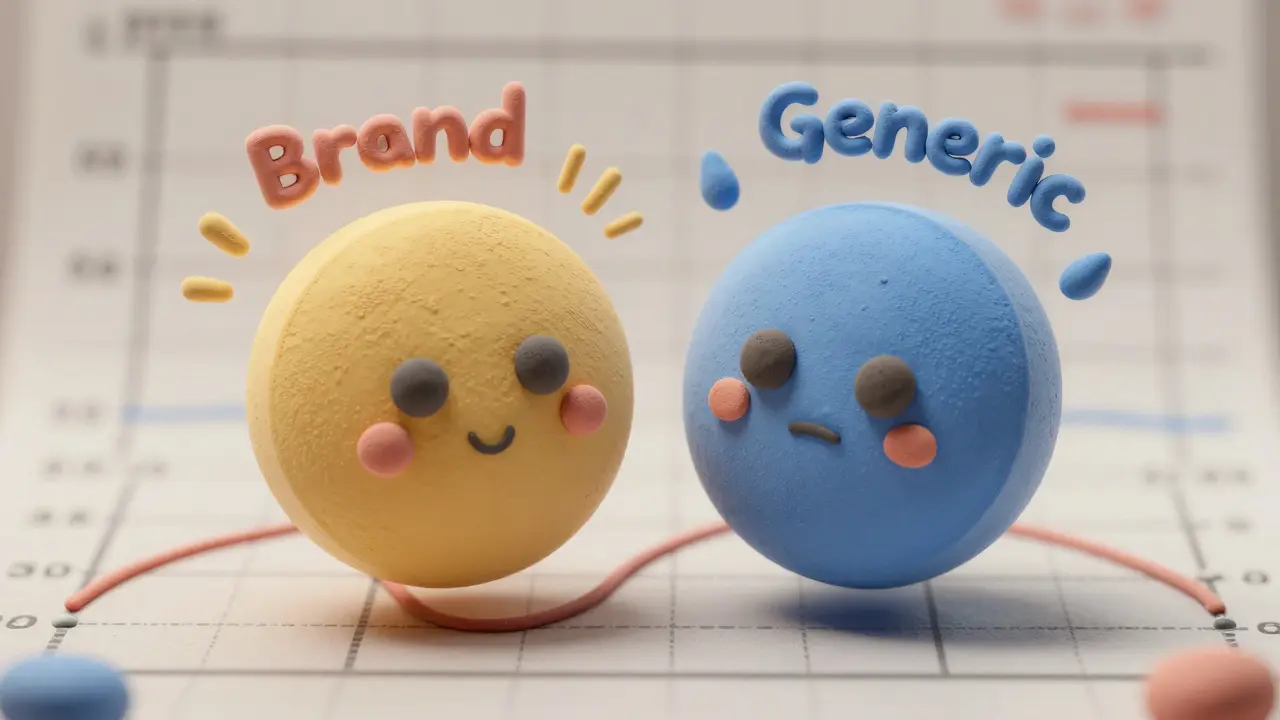
When you pick up a prescription, you might see a different name on the bottle than what your doctor wrote. That’s because your pharmacy filled it with a generic drug - the same active ingredient, but cheaper. Most people assume it’s just as safe. And for the vast majority, it is. But not everyone feels that way. Some report new side effects after switching. Others swear their old brand-name pill worked better. So, is there real danger in generics, or is it all in our heads?
What Does ‘Bioequivalent’ Really Mean?
The U.S. Food and Drug Administration (FDA) says generics must be bioequivalent to the brand-name version. That means the body absorbs the active ingredient at nearly the same rate and amount. The legal standard? The generic must deliver between 80% and 125% of the brand’s concentration in the bloodstream. Sounds strict, right? It is. But here’s the catch: that 45% range is wide. For most drugs - like antibiotics or blood pressure pills - it doesn’t matter. Your body handles the small variations without issue. But for drugs with a narrow therapeutic index, even tiny differences can matter. Think warfarin, levothyroxine, or phenytoin. These are medications where the difference between a safe dose and a dangerous one is slim. A 10% drop in absorption might mean your INR levels swing out of control. A 5% increase could trigger thyroid symptoms. That’s why some doctors still ask pharmacies to "dispense as written" for these drugs - not because generics are unsafe, but because consistency matters more than cost savings.Are Generic Side Effects Real - or Just in Our Heads?
A 2012 study did something clever. It gave people identical placebo pills, but labeled half as "brand-name" and half as "generic." Guess what? The group told they were taking the generic reported more side effects - even though the pills were exactly the same. This isn’t just about belief. It’s called the nocebo effect: expecting harm leads to experiencing harm. But real-world data shows this isn’t the whole story. A 2016 study found that 54% of patients stopped taking a placebo pill when they thought it was generic, compared to 33% when they thought it was branded. That’s not just reporting - that’s quitting treatment. And when people quit, their health gets worse. Then there’s the flip side: patients who switch from brand to generic and suddenly feel worse. Common complaints? Anxiety, insomnia, fatigue, or nausea. For drugs like bupropion (Wellbutrin) or levothyroxine (Synthroid), these reports are frequent enough that pharmacists hear them weekly. One Reddit user, PharmD2020, got 247 upvotes for saying: "I’ve had multiple patients report increased anxiety and insomnia after switching to generic bupropion, though studies show bioequivalence." So what’s going on? The answer might be in the inactive ingredients.The Hidden Culprits: Fillers, Dyes, and Coatings
The active ingredient in a generic pill is identical to the brand. But everything else? Not always. Generics use different fillers, dyes, binders, and coatings. These don’t affect how the drug works - but they can affect how your body reacts to it. People with sensitivities to lactose, gluten, or certain food dyes might have an adverse reaction to a generic version simply because it contains a different excipient. A patient who never had issues with brand-name lisinopril might develop a rash or stomach upset after switching to a generic version that uses a new dye or filler. Pharmacists see this all the time. Dr. Lucinda Maine, CEO of the American Association of Colleges of Pharmacy, says patient complaints often trace back to these non-active ingredients - not the medicine itself. And here’s something surprising: brand-name drugs change their formulations too. Companies update coatings, packaging, or fillers for cost or efficiency. But patients rarely notice - because they’re still getting the same brand name. With generics, the switch is obvious. You know you got a different pill. So your brain pays attention.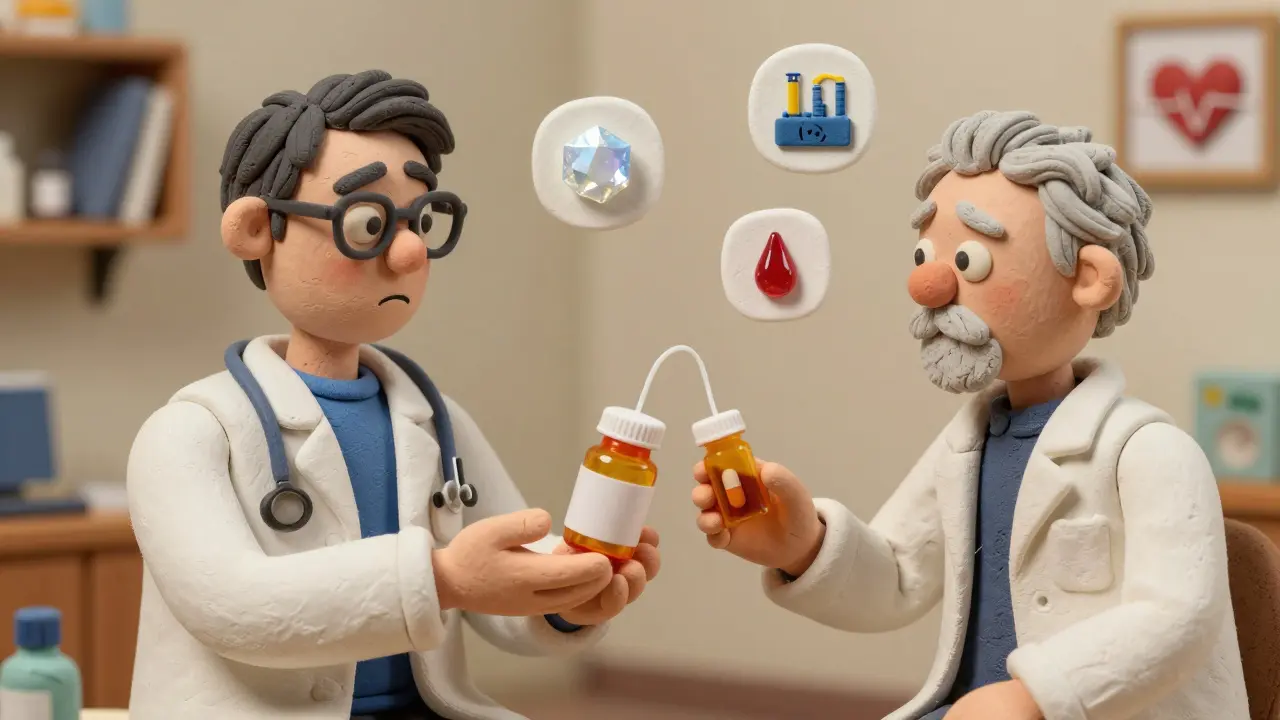
Manufacturing Matters - Especially Overseas
About 63% of generic drug manufacturing happens outside the U.S. - 32% in India, 18% in China. The FDA inspects these facilities, but the scale is massive. In 2022, they inspected 317 foreign plants - up from just 42 in 2010. Still, a 2022 Ohio State University study found that generic drugs made in India had 54% higher rates of severe adverse events - including hospitalization and death - compared to those made in the U.S. The study focused on "mature generics" - drugs that’ve been on the market for years. The theory? As patents expire and competition heats up, some manufacturers cut corners. They might use lower-quality raw materials, skip stability tests, or reduce quality control. The FDA says facility location doesn’t equal poor quality. But data from the Adverse Event Reporting System (FAERS) shows a pattern: certain Indian-made versions of levothyroxine and warfarin triggered more reports of unstable lab results than others. It’s not that all Indian-made generics are unsafe. Many are excellent. But the variability is real. And for patients on critical medications, that variability can be dangerous.Who’s Most at Risk?
Not everyone needs to worry. For most people, switching to a generic is perfectly safe. But some groups should be more cautious:- Patients on drugs with narrow therapeutic indices: warfarin, levothyroxine, phenytoin, digoxin, lithium
- People with known allergies to dyes, lactose, or gluten
- Older adults taking multiple medications - small changes can throw off drug interactions
- Patients who’ve had stable control on a brand-name drug and then develop new symptoms after switching
What Should You Do?
You don’t need to avoid generics. They’ve saved billions in healthcare costs and are safe for most people. But you do need to be smart about it.- Ask your pharmacist: "Is this the same manufacturer as last time?" If it changed, ask if you can stick with the previous version.
- For critical drugs, request "Dispense as Written" on your prescription - especially if you’ve had issues before.
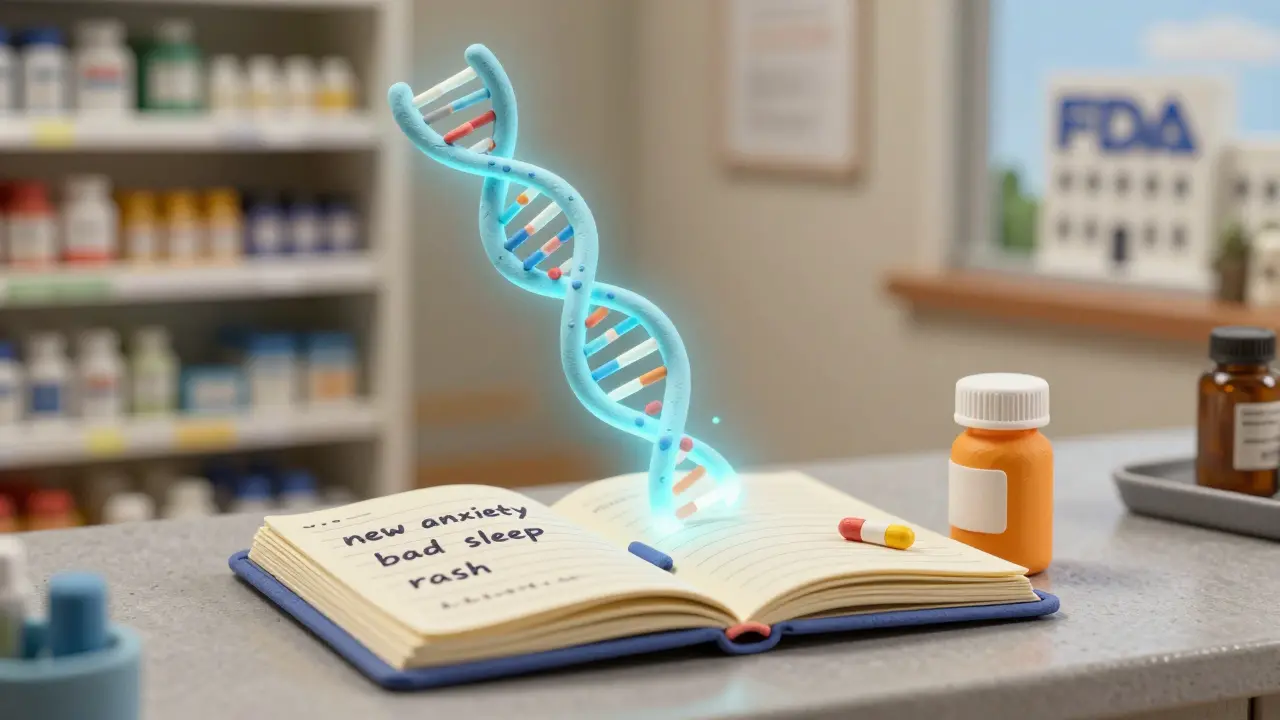
- If you notice new side effects after switching, don’t ignore them. Talk to your doctor. It might not be the drug - but it might be.
- Don’t blame yourself. Feeling worse after a switch isn’t weakness. It’s a real physiological or psychological response.
- Ask for a patient education handout. A 2020 study showed patients who understood how generics work were 37% less likely to report side effects after switching.
The Bottom Line
Generics are not inherently less safe. Large-scale studies, like the 2018 PLOS Medicine review of 38 trials, show no significant difference in clinical outcomes between generics and brand-name drugs for heart medications, antidepressants, and diabetes drugs. The FDA, Harvard Medical School, and the American College of Physicians all agree: for nearly all patients, generics are just as safe and effective. But safety isn’t just about statistics. It’s about individual experience. For some, the switch triggers real physical reactions - from a new rash to a spike in anxiety. For others, it’s the stress of change, the stigma of "cheap medicine," or a hidden ingredient they didn’t know they were sensitive to. The truth? Generics are a triumph of modern medicine - affordable, accessible, and life-saving. But they’re not magic. They’re still drugs. And like any drug, they need to be treated with care - especially when your health depends on precision.If you’ve ever felt different after switching - you’re not alone. And your experience matters, even if the studies say you shouldn’t have.
Are generic drugs less effective than brand-name drugs?
No, generic drugs are required by the FDA to be bioequivalent to their brand-name counterparts, meaning they deliver the same active ingredient at the same rate and amount. Large studies, including one published in PLOS Medicine, show no difference in effectiveness for most medications like blood pressure pills, antidepressants, or cholesterol drugs. However, for drugs with narrow therapeutic indices - such as warfarin or levothyroxine - even small variations in absorption can matter, which is why some doctors recommend sticking with one manufacturer.
Why do some people feel worse after switching to a generic?
There are a few reasons. First, inactive ingredients - like fillers, dyes, or coatings - can differ between brands and generics. If you’re sensitive to lactose or a certain dye, you might react to the new version. Second, the nocebo effect plays a role: if you believe generics are inferior, your brain may amplify normal sensations into side effects. Third, switching medications can disrupt your body’s rhythm, especially if you’ve been stable on one brand for years. It’s not always the drug - it’s the change.
Are generics made in India or China less safe?
Not all generics from these countries are unsafe - many meet high standards. But a 2022 Ohio State University study found that generic drugs manufactured in India were linked to 54% higher rates of severe adverse events compared to U.S.-made versions, particularly for older, well-established drugs. This may reflect inconsistent quality control or cost-cutting practices. The FDA inspects foreign facilities, but with over 1,700 global manufacturing sites, oversight is challenging. If you’re on a critical medication, ask your pharmacist which manufacturer made your pill.
Can I ask my doctor to keep me on the brand-name drug?
Yes. You can ask your doctor to write "Dispense as Written" or "Do Not Substitute" on your prescription. This legally prevents the pharmacy from switching you to a generic without your consent. It’s most commonly used for drugs with narrow therapeutic indices, like levothyroxine or warfarin. While this may cost more, it ensures consistency - especially if you’ve had bad reactions to generics in the past.
Should I avoid generics altogether?
No. For 90% of people, generics are safe, effective, and save money. The American College of Physicians and the FDA both support their widespread use. Avoiding generics entirely means paying more for medications that work just as well. Instead, be informed: know your medication, track how you feel after switches, and speak up if something changes. Don’t assume every new symptom is caused by the generic - but don’t ignore it either.
Gary Mitts
February 2, 2026 AT 16:54Bridget Molokomme
February 3, 2026 AT 08:41jay patel
February 3, 2026 AT 21:10Hannah Gliane
February 5, 2026 AT 04:43Murarikar Satishwar
February 5, 2026 AT 15:47Dan Pearson
February 6, 2026 AT 15:33Bob Hynes
February 7, 2026 AT 23:43Brett MacDonald
February 9, 2026 AT 19:55Sandeep Kumar
February 10, 2026 AT 20:07clarissa sulio
February 11, 2026 AT 15:05Monica Slypig
February 12, 2026 AT 00:48