
Recognizing Signs of Drug Allergies and When to Seek Emergency Care
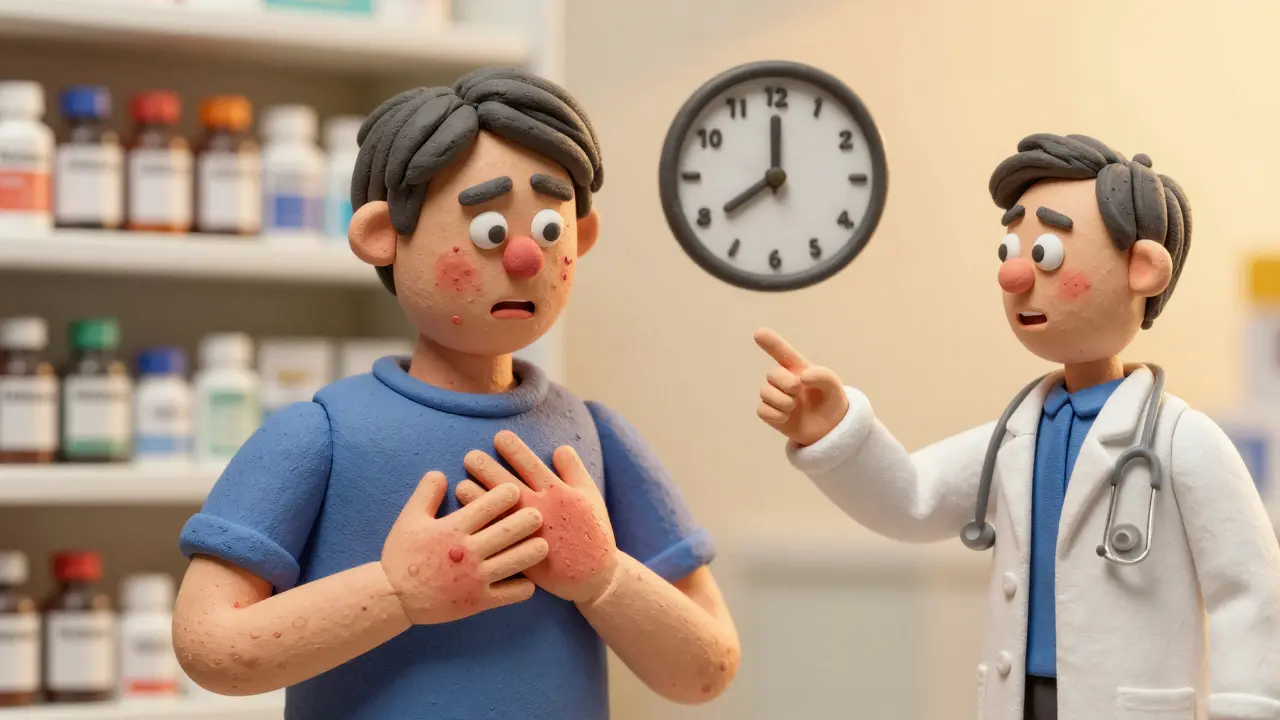
More than 1 in 10 people in the U.S. think they’re allergic to a drug. But here’s the truth: most of them aren’t. A reaction to a pill or shot doesn’t automatically mean it’s an allergy. It could be a side effect, an intolerance, or something else entirely. The difference matters-because being wrongly labeled as allergic can mean you get a less effective, more expensive, or riskier drug instead. And that’s not just inconvenient. It can be dangerous.
What’s a Real Drug Allergy?
A true drug allergy is your immune system overreacting to a medication. It’s not just feeling sick. It’s your body treating the drug like a threat-like a virus or pollen-and launching a full-blown defense. That’s why symptoms can be sudden, severe, and spread across your body.
Most allergic reactions happen within minutes to hours after taking the drug. But some don’t show up for days-or even weeks. That’s why it’s easy to miss. You might take a new antibiotic, feel fine for three days, then break out in a rash and assume it’s something you ate. It’s not. It’s your immune system.
Common Signs of a Drug Allergy
Skin reactions are the most common sign. In fact, the National Institutes of Health says they’re the #1 indicator. But not all rashes are the same. Here’s what to look for:
- Hives: Raised, red, itchy welts that look like mosquito bites. They can appear anywhere and move around your body.
- Itching: Not just a little itch. This is intense, persistent, and doesn’t go away with lotion or antihistamines.
- Swelling: Lips, tongue, eyelids, throat. Swelling in your throat is a red flag-this can block your airway.
- Rash: Flat red spots or tiny bumps that spread. If it’s a fine, widespread rash that shows up days after starting a new drug, it could be a delayed exanthem.
These symptoms alone aren’t always an emergency. But when they’re paired with other signs, it’s a different story.
When It’s an Emergency: Anaphylaxis
Anaphylaxis isn’t just a bad reaction. It’s a life-threatening one. It hits fast-usually within an hour of taking the drug. And it doesn’t stick to one part of your body. It hits two or more systems at once.
Here’s what anaphylaxis looks like:
- Skin: Hives, flushing, swelling
- Lungs: Wheezing, trouble breathing, feeling like your throat is closing
- Stomach: Vomiting, cramps, diarrhea
- Heart: Rapid pulse, dizziness, passing out, low blood pressure
If you have even two of these together-say, a rash and trouble breathing-you need to call emergency services right now. Don’t wait. Don’t drive yourself. Call 911 or your local emergency number. Anaphylaxis can kill in minutes. Epinephrine is the only thing that stops it. And if you don’t have it, you need to get to a hospital fast.
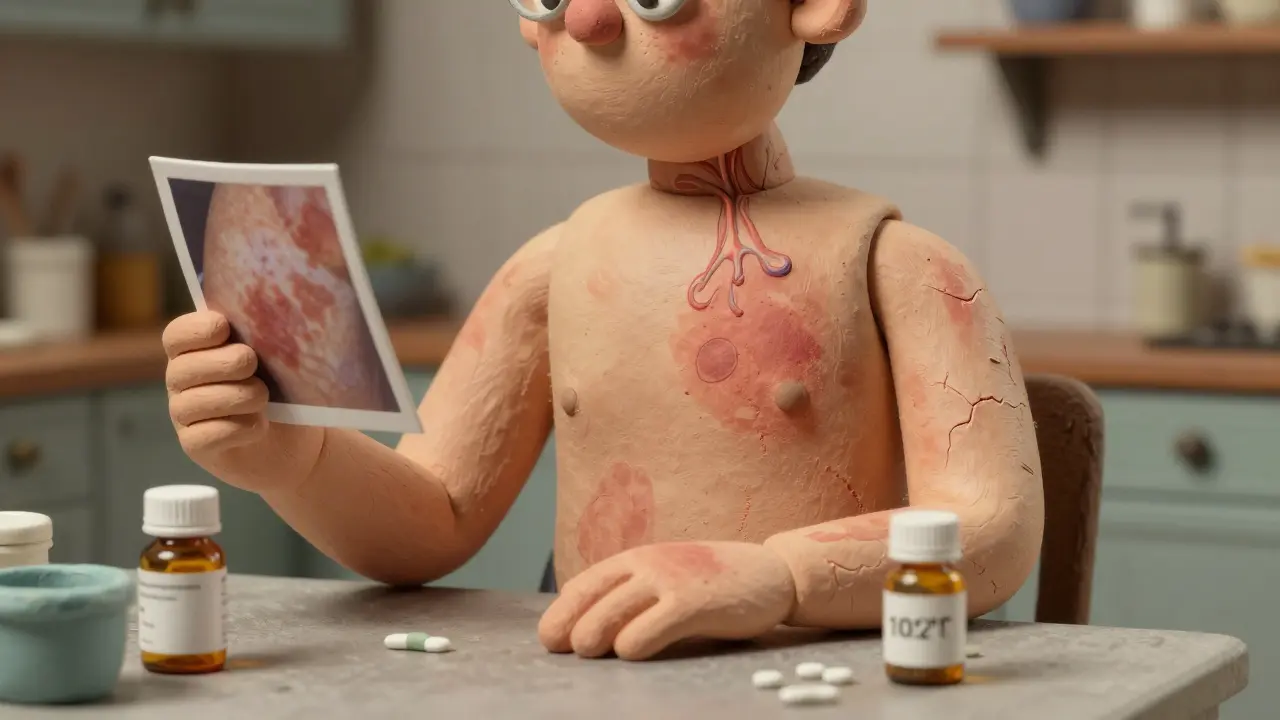
Delayed Reactions You Can’t Ignore
Not all drug allergies strike fast. Some take their time.
Serum sickness-like reactions show up one to three weeks after starting a drug. You get a rash, fever, swollen joints, and swollen lymph nodes. It feels like the flu, but it’s your immune system attacking the drug.
DRESS syndrome is rarer but more serious. It causes a rash, high white blood cell count, swollen glands, liver damage, and sometimes kidney problems. It can come back even after you stop the drug. If you develop a rash plus fever and swollen glands after taking a new medication, see a doctor immediately.
Stevens-Johnson Syndrome (SJS) and Toxic Epidermal Necrolysis (TEN) are medical emergencies. You get painful blisters, skin peeling off in sheets, and sores in your mouth, eyes, or genitals. SJS affects less than 10% of your skin. TEN affects more than 30%. Both need ICU-level care. If your skin is peeling or you have sores inside your mouth after starting a new drug, go to the ER. Don’t wait.
What to Do If You Think You’re Having a Reaction
First, stop taking the drug. But don’t just toss it. Write down the name, when you took it, and what happened. Take a photo of any rash or swelling. That’s your evidence.
If it’s mild-a small rash, a little itching-call your doctor. Don’t wait weeks. Schedule an appointment. Bring your notes and photos. Your doctor might refer you to an allergist.
If it’s severe-trouble breathing, swelling in your throat, dizziness, vomiting with a rash-call emergency services. Anaphylaxis doesn’t wait. Neither should you.
Why Misdiagnosis Is a Big Problem
Most people who say they’re allergic to penicillin aren’t. Studies show more than 90% of them can take it safely after proper testing. But because they’re labeled “allergic,” doctors give them stronger, costlier antibiotics. Those drugs increase the risk of deadly infections like C. diff. They’re harder on your gut. And they’re not always better.
That’s why mislabeling costs the U.S. healthcare system millions each year. It’s not just about money. It’s about safety. You might be avoiding a drug you could actually tolerate-just because you had a bad reaction once.
How Doctors Diagnose Drug Allergies
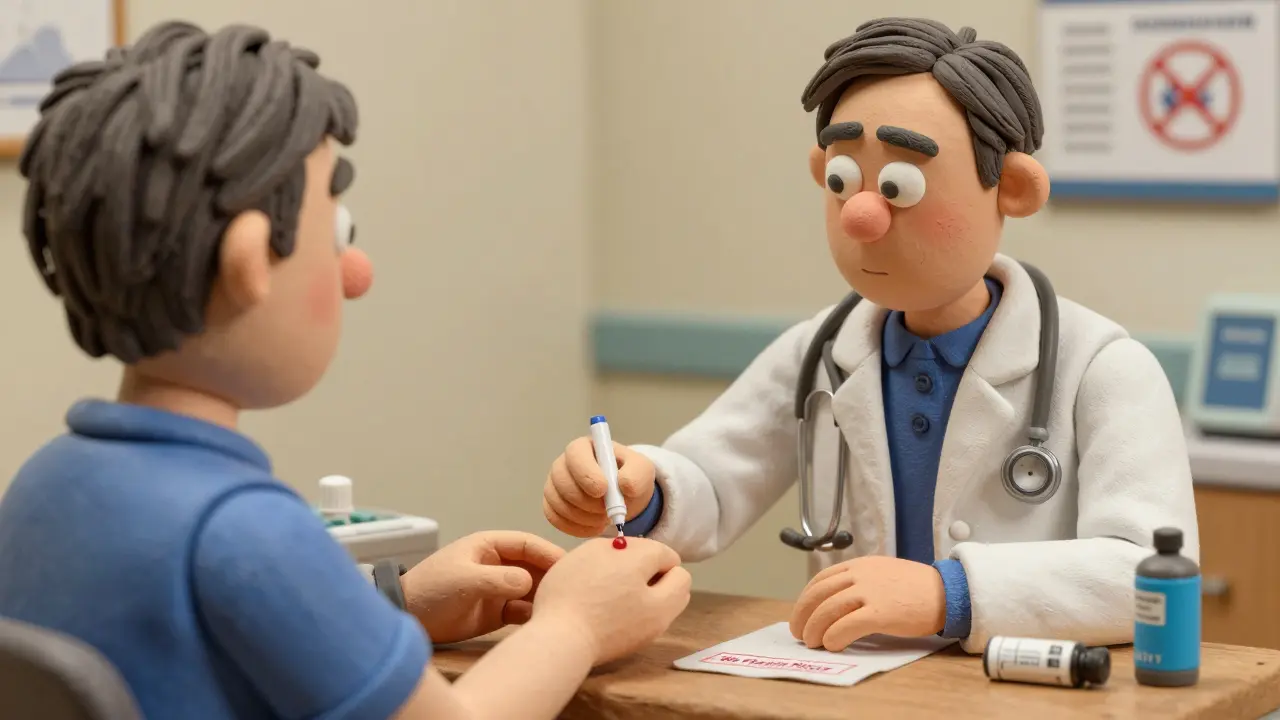
There’s no blood test for most drug allergies. That’s the hard part. The best tool is your story. A good allergist will ask: When did it happen? What did it look like? Did you have a fever? Did your skin peel? Did you have trouble breathing?
For penicillin, there’s a reliable test: skin prick tests. A tiny drop of penicillin is placed on your skin. If you’re allergic, a red, raised bump appears. If that’s negative, you might get a small oral dose under supervision. If you stay fine, you’re not allergic.
For other drugs, testing is harder. Sometimes, doctors use a graded challenge-giving tiny, increasing doses while watching you closely. This is done only in a clinic with emergency equipment on hand. Never try this at home.
For delayed reactions like DRESS, a blood test might help. High white blood cells, liver enzymes, or eosinophils can point to the problem.
What You Can Do Now
Keep a list of every drug you’ve ever had a reaction to. Include the name, what happened, and when. Share this with every doctor you see. Don’t assume they’ll know from your chart. Many systems still have outdated or incorrect allergy labels.
If you’ve been told you’re allergic to penicillin but never tested, talk to your doctor about a referral to an allergist. It’s a simple process. And it could change your future care.
And if you’ve ever had a serious reaction-especially one involving breathing or skin peeling-don’t ignore it. Get evaluated. You might be carrying a false label that’s putting you at risk.
Final Reminder: Trust Your Body, But Verify
Not every bad reaction is an allergy. But when your body screams-hives, swelling, trouble breathing, skin falling off-you listen. Don’t guess. Don’t hope it goes away. Act. And get the right diagnosis. Because the right drug saved your life once. It could save it again.
How do I know if my rash is from a drug allergy or something else?
Drug allergy rashes usually appear after starting a new medication and often come with other symptoms like itching, swelling, or fever. A rash that shows up days or weeks after taking a drug, especially if it’s widespread and doesn’t improve with over-the-counter creams, is more likely to be drug-related. Compare it to rashes from viruses or contact dermatitis-those usually have different patterns. If you’re unsure, take a photo and show it to your doctor. Timing and symptoms together are the best clues.
Can I outgrow a drug allergy?
Yes, you can. Many people who had a reaction to penicillin as a child lose their sensitivity over time. The immune system changes. That’s why it’s important to get tested-even if you were labeled allergic years ago. A simple skin test or oral challenge can confirm if you’re still allergic or if it’s safe to use the drug again.
Is it safe to take a drug I was allergic to if I haven’t had a reaction in years?
Never assume it’s safe. Even if it’s been 10 years, your immune system can react again. But you don’t have to live without that drug forever. See an allergist. They can safely test you under controlled conditions. Many people find out they’re no longer allergic-and can go back to using the medication safely.
Can I have an allergic reaction to a drug I’ve taken before without problems?
Yes. Allergies can develop after repeated exposure. Your immune system might have tolerated the drug for years, then suddenly started reacting. That’s why you can’t assume safety just because you’ve used it before. Always watch for new symptoms, even with familiar medications.
What should I do if I’m allergic to a drug but need it for treatment?
If a drug you’re allergic to is the best option-for example, penicillin for a serious infection-your doctor may refer you to an allergist for a supervised challenge. This means you’ll take tiny, increasing doses under medical supervision. If you tolerate it, you can safely use it. This is standard practice for penicillin and sometimes other antibiotics when no alternatives work.
Anu radha
December 16, 2025 AT 20:31I had a rash after amoxicillin and thought it was just a virus. Turns out it was a drug reaction. Took me months to find a doctor who took it seriously. Don’t ignore your body.
Linda Caldwell
December 17, 2025 AT 01:48THIS. I was told I was allergic to penicillin at 8. Now I’m 34 and just got tested. Turns out I’m fine. They gave me a different antibiotic for my pneumonia last year and it messed up my gut for months. I wish I’d known sooner.
Jessica Salgado
December 18, 2025 AT 10:49My cousin had DRESS syndrome from an anticonvulsant. Skin peeled off like a sunburn. ICU for 3 weeks. She’s lucky to be alive. If you get a rash + fever + swollen glands after a new med? GO TO THE ER. Not tomorrow. Now.
Salome Perez
December 19, 2025 AT 21:28As someone who’s worked in global health, I’ve seen how drug allergy mislabeling disproportionately affects low-income communities. People get stuck with expensive, toxic alternatives because they can’t access allergists. We need more accessible testing - not just for penicillin, but for common meds like NSAIDs and sulfa drugs. It’s not just personal health. It’s systemic justice.
Sam Clark
December 20, 2025 AT 00:20Thank you for writing this with such clarity. I’m a nurse and I see this every day. Patients come in with ‘allergic to penicillin’ in their chart, but they can’t recall what happened. We end up using vancomycin or clindamycin unnecessarily. The cost and risk are real. I always encourage patients to get tested if they’re unsure.
Brooks Beveridge
December 20, 2025 AT 07:45It’s wild how our bodies can turn on us after years of tolerance. I took ibuprofen for a decade with zero issues. Then one day, my throat swelled shut after a single pill. No history. No warning. Just… boom. I now carry an EpiPen. And I don’t take anything without reading the label. Your body remembers. Even when you forget.
Donna Packard
December 21, 2025 AT 23:43Just got my penicillin skin test results today. Negative! I’ve been avoiding antibiotics for 15 years because of a childhood rash. Now I can finally take the right medicine if I need it. Thank you for the reminder to question labels.
Patrick A. Ck. Trip
December 23, 2025 AT 18:03i never knew about dres or sjs untill now. my aunt had sjs after sulfa and almost died. i never thought it could be from a med. i’m gonna check my chart now. thanks for this.
Philippa Skiadopoulou
December 23, 2025 AT 21:30While the article is informative, the emphasis on emergency response may inadvertently cause unnecessary panic. Many rashes are benign. The key is clinical correlation - timing, symptom progression, and exclusion of alternatives. Not every rash requires 911. Education, not alarmism, is the goal.