
How to Report Adverse Events to the FDA for Medications: A Step-by-Step Guide
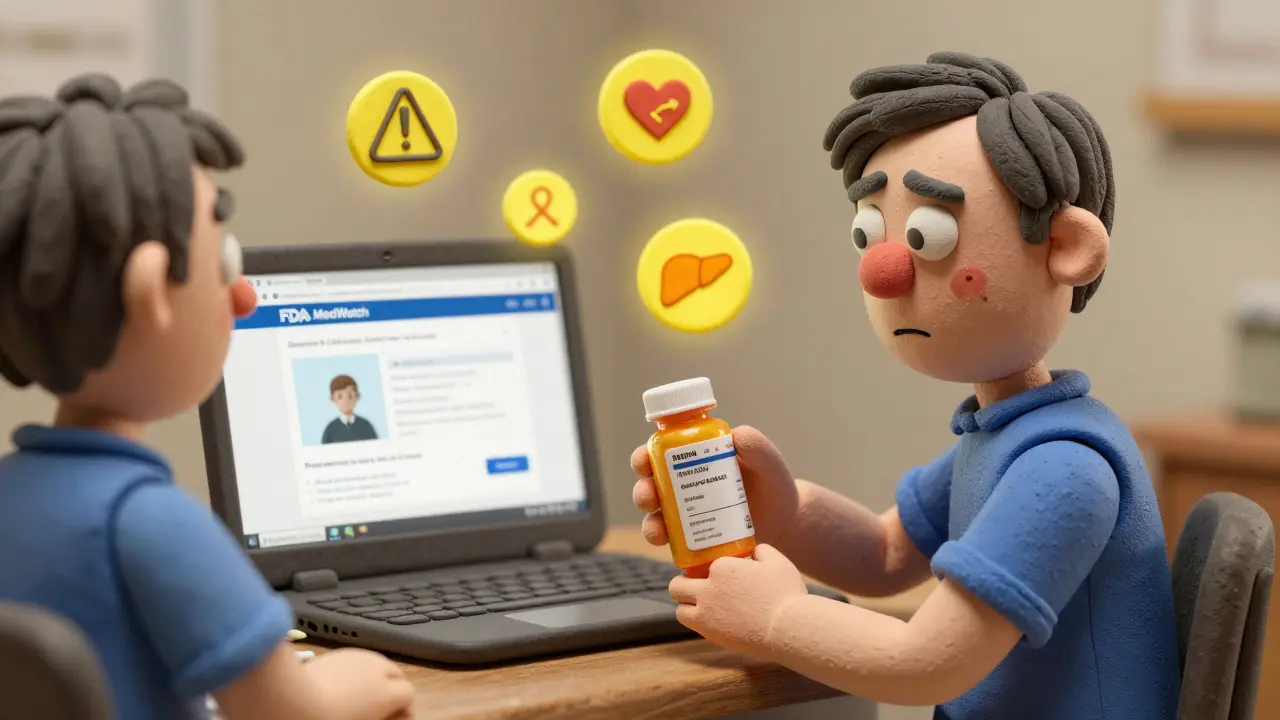
Every year, millions of people take prescription drugs to manage chronic conditions, treat infections, or relieve pain. But not every reaction to a medication is predictable. Some people experience serious side effects-rare, unexpected, or even life-threatening-that weren’t seen during clinical trials. That’s where adverse event reporting to the FDA comes in. It’s not just for doctors or drug companies. If you’ve had a bad reaction to a medication, your report could help save someone else’s life.
What Counts as an Adverse Event?
An adverse event is any harmful or unwanted reaction that happens after taking a medication. It doesn’t have to be proven to be caused by the drug. Even if you’re not sure, it still counts. Examples include:- Severe rash or blistering (like Stevens-Johnson syndrome)
- Difficulty breathing or anaphylaxis
- Liver damage, kidney failure, or unusual bleeding
- Suicidal thoughts or sudden mood changes
- Heart palpitations, chest pain, or stroke-like symptoms
- Unexplained weight loss, extreme fatigue, or seizures
Who Should Report?
Three main groups report adverse events to the FDA:- Consumers (patients, family members, caregivers)
- Healthcare professionals (doctors, nurses, pharmacists)
- Pharmaceutical companies (required by law to report)
How to Report as a Consumer
Reporting as a patient or family member is simpler than you think. Here’s how:- Get the basics ready: Write down the name of the medication (including brand and generic), dosage, how long you took it, and when the reaction started. If you have the pill bottle or packaging, take a photo.
- Describe what happened: Be specific. Don’t just say “I felt sick.” Say: “Three days after starting metoprolol, I developed swelling in my throat, difficulty swallowing, and a red rash on my chest. I went to the ER and was diagnosed with angioedema.”
- Include medical details: Did you have lab tests? Imaging? Hospitalization? Include dates and results if you have them. Reports with lab values are 68% more likely to trigger a safety review.
- Submit online: Go to fda.gov/medwatch and click “Report a Problem.” Use Form 3500. You can also download and mail the form, but online is faster.
- Upload supporting documents: The system lets you attach photos of prescription labels, receipts, or even medical records. This helps the FDA verify details.
How Healthcare Professionals Report
Doctors, nurses, and pharmacists report the same way-but their reports carry more weight because they include clinical context. Here’s what to do:- Use the same MedWatch Online Form (Form 3500).
- Include patient demographics (age, gender), medical history, and concomitant medications.
- Detail the timeline: When was the drug started? When did symptoms begin? When did they resolve?
- Attach lab results, EKGs, or pathology reports if available.
What Happens After You Submit?
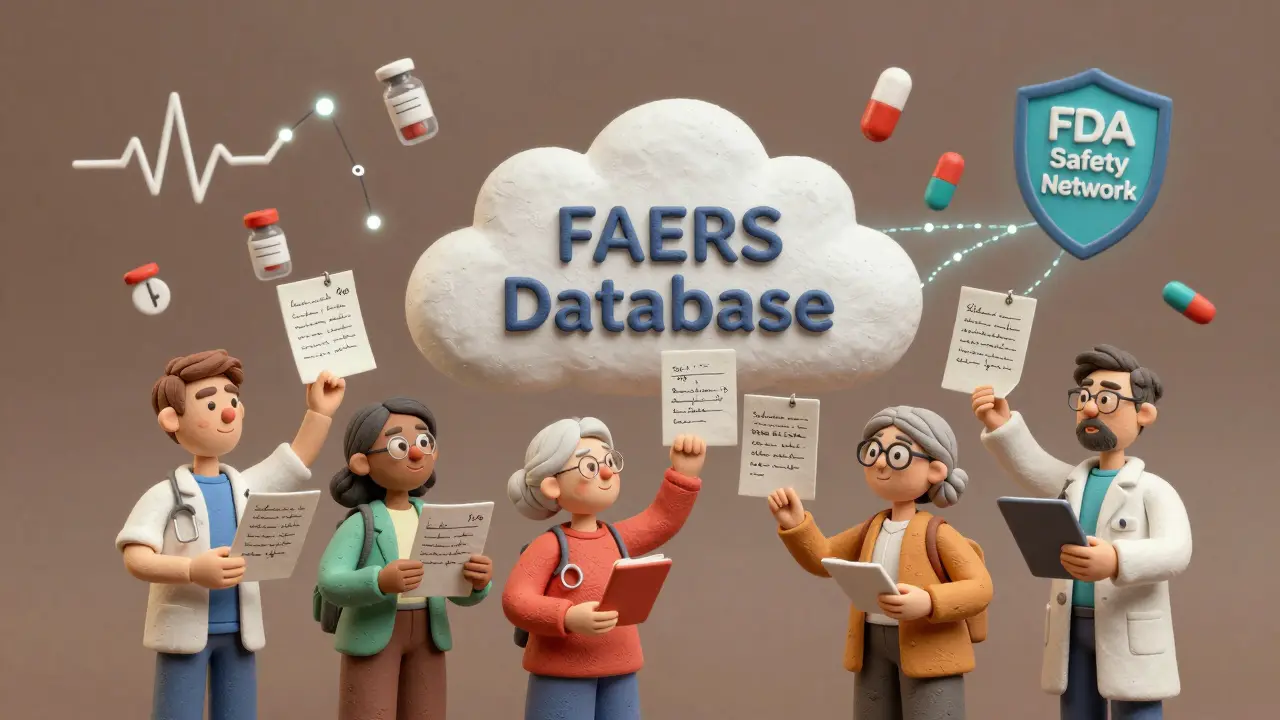
Your report goes into the FDA Adverse Event Reporting System (FAERS)-a database with over 30 million records dating back to 1968. It’s not a hotline. You won’t get a call. But here’s what happens behind the scenes:- Reports are coded using MedDRA, a global medical terminology system.
- Software flags patterns: If 50 people report liver damage after taking the same new drug, that’s a signal.
- FDA reviewers analyze signals to see if they’re real risks or just random noise.
- If a pattern is confirmed, the FDA may update the drug label, require new warnings, or even pull the drug.
Common Problems and How to Avoid Them
Many people give up because the system feels confusing. Here are the top mistakes-and how to fix them:- Too vague: “I felt bad after taking the pill.” → Fix: “I developed severe dizziness and blurred vision 2 hours after taking lisinopril 20mg.”
- Missing dates: Not knowing when the drug started or ended makes it hard to link cause and effect.
- Not uploading labels: Many people don’t realize they can upload a photo of the pill bottle. Do it.
- Waiting too long: Reports submitted within 30 days of the event are more likely to be complete. Don’t wait months.
- Thinking it’s not serious enough: Even if it didn’t land you in the hospital, if it was scary or unexpected, report it.
Why Your Report Matters
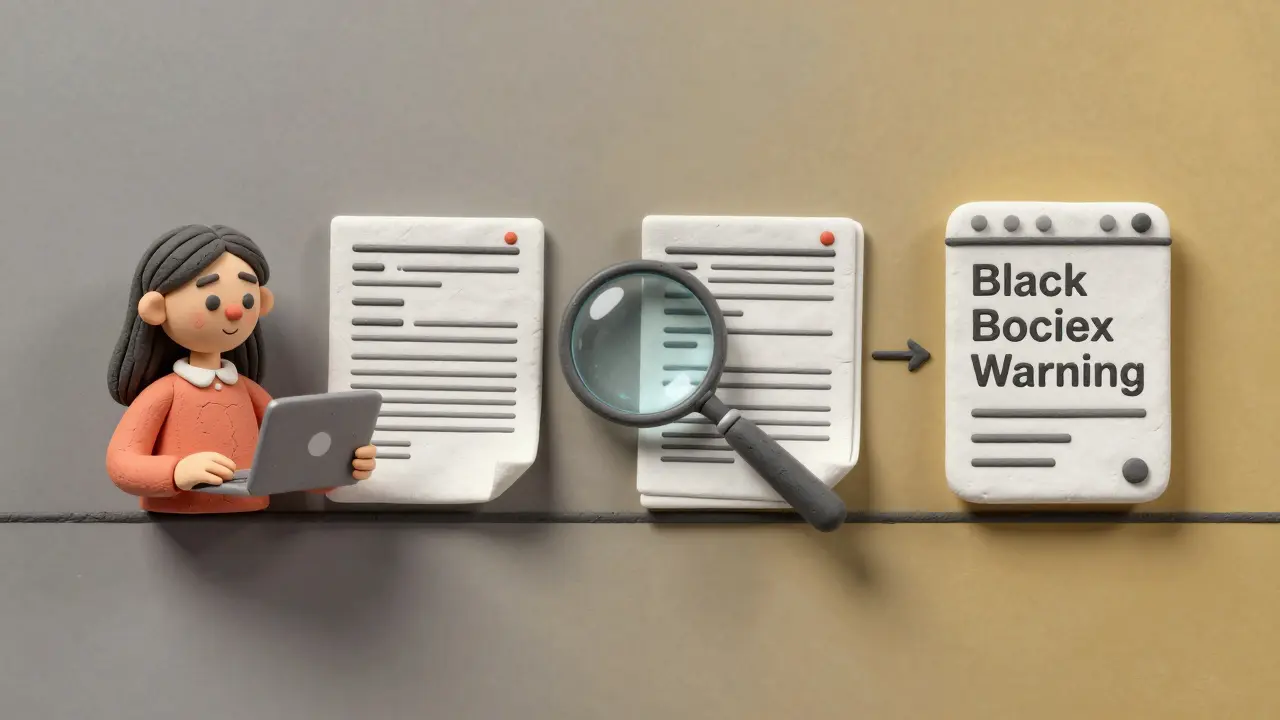
The FDA doesn’t know about every bad reaction. Experts estimate that only 1% to 10% of adverse events are ever reported. That means for every serious reaction you hear about, hundreds may have gone unnoticed. Here’s what reporting has actually done:- Triggered “Black Box” warnings for fluoroquinolone antibiotics after reports linked them to aortic aneurysms.
- Changed labeling for certain diabetes drugs after reports of pancreatitis.
- Helped identify a rare but deadly skin reaction to allopurinol in patients with HLA-B*58:01 gene variant.
What the FDA Can’t Do
It’s important to understand the limits. The FDA doesn’t:- Confirm causation. A report doesn’t prove the drug caused the reaction-it just flags a possible link.
- Provide medical advice. They won’t tell you what to do about your symptoms.
- Act immediately. It takes months, sometimes years, to confirm a signal and change a label.
- Respond to every report individually. They process over 1.3 million reports from providers each year.
What’s New in 2025?
The FDA is upgrading the system. In 2023, they launched FAERS Public Dashboard 2.0, letting anyone explore anonymized data. In 2024, they began testing AI tools that scan reports for hidden patterns using natural language processing. And by 2025, they plan to integrate data from electronic health records-potentially tripling reporting rates. But until then, your manual reports are still the backbone of the system. If you’ve had a bad reaction, don’t assume it’s just “bad luck.” It might be a sign of a larger problem. And your report could be the one that changes the system.Quick Checklist for Reporting
- ✅ Medication name (brand + generic)
- ✅ Dosage and duration
- ✅ Date reaction started and ended
- ✅ Detailed description of symptoms
- ✅ Any lab results or hospital visits
- ✅ Photo of pill bottle or packaging
- ✅ Your contact info (optional but helpful)
Do I need a doctor’s permission to report a side effect to the FDA?
No. You don’t need permission from a doctor to report. Patients and caregivers can submit reports directly through the FDA’s MedWatch system. However, talking to your healthcare provider first can help you provide more accurate details, like the exact medication name, dosage, and timeline, which makes your report more useful.
Can I report an adverse event that happened years ago?
Yes. The FDA accepts reports even if the reaction happened months or years ago. While reports submitted closer to the event are more complete and useful, older reports still contribute valuable data-especially if the drug is still in use and others are having similar reactions. The FAERS database includes reports dating back to 1968.
What if I’m not sure the medication caused the problem?
Report it anyway. The FDA doesn’t require proof of causation. An adverse event is any unexpected or harmful reaction that occurred after taking a drug-even if it’s unclear whether the drug caused it. The system is designed to catch potential signals, and later analysis determines if there’s a real link. If you’re unsure, err on the side of reporting.
Is there a cost to report an adverse event to the FDA?
No. Reporting an adverse event to the FDA is completely free for consumers and healthcare professionals. There are no forms to purchase, no subscriptions, and no fees. The MedWatch system is publicly funded and available online at no cost.
How long does it take for the FDA to act on a report?
There’s no set timeline. The FDA receives about 2 million reports annually. Individual reports are not responded to directly. Instead, software and reviewers look for patterns across hundreds or thousands of similar reports. If a safety signal is confirmed, it can take months to years before the FDA updates labeling, issues a warning, or takes regulatory action. Your report may be part of a larger pattern that leads to change-even if you never hear back.
Can I report a side effect from an over-the-counter (OTC) drug?
Yes. The FDA accepts reports for all medications, including over-the-counter drugs, dietary supplements, and even vaccines. Many serious reactions to OTC pain relievers like ibuprofen or acetaminophen have been identified through consumer reports. Don’t assume only prescription drugs are monitored-everything you take is part of the safety system.
What if my report gets ignored?
Your report isn’t ignored-it’s stored. The FDA doesn’t reply to every submission, but every report goes into the FAERS database. A single report might not trigger action, but if 50 other people report the same issue, it becomes a signal. Your report adds to the evidence. Even if you don’t see results, you’re helping build a safety net for others.
Himanshu Singh
December 29, 2025 AT 13:50just submitted my first report after my wife got that crazy rash from that new blood pressure med 😅 didn’t even know i could do it myself. thanks for the guide, man. hope it helps someone else!
Jasmine Yule
December 30, 2025 AT 11:25THIS. SO THIS. I’m a nurse and I’ve seen too many patients brush off symptoms because they ‘didn’t want to bother anyone.’ NO. YOU’RE NOT BOTHERING ANYONE. YOUR REPORT COULD SAVE A LIFE. I’VE SEEN IT HAPPEN. STOP MINIMIZING YOUR EXPERIENCE. 🙏
Greg Quinn
December 31, 2025 AT 11:58It’s funny how we treat medical data like it’s sacred when it’s locked in hospitals, but the moment it’s open to the public, people act like it’s some kind of conspiracy. The FDA’s system isn’t perfect-but it’s the only one we’ve got that lets ordinary people be part of the scientific process. Maybe that’s the real revolution here: not the tech, but the trust in the patient’s voice.
Lisa Dore
January 1, 2026 AT 03:47My mom reported a weird reaction to her diabetes med back in 2018-she didn’t even think it was a big deal. Then last year, the label changed to warn about neuropathy risk. She cried when she saw it. She didn’t know her report mattered… but it did. If you’ve had a weird side effect, just hit submit. You’re not just reporting-you’re joining a community that keeps people safe. 💙
Sharleen Luciano
January 2, 2026 AT 03:18Let’s be honest-most of these reports are useless noise. Half the people can’t even spell ‘ibuprofen’ correctly, let alone understand pharmacokinetics. The FDA’s AI tools are trying to filter out the chaff, but until patients stop treating their symptoms like TikTok drama, we’re just drowning in poorly written anecdotes. If you’re going to report, at least know what you’re talking about.
Jim Rice
January 4, 2026 AT 01:12Wait, so I can report a side effect from a drug I took 7 years ago? That’s insane. What if I report that my coffee makes me anxious? Is that an adverse event? This system is a joke. They’re not catching signals-they’re collecting digital hoarder trash. Someone’s got to fix this before it becomes a meme.
Henriette Barrows
January 5, 2026 AT 05:09My sister had a seizure after starting a new antidepressant and the ER docs just shrugged. We didn’t know what to do until we found this guide. We reported it the same day-no doctor, no permission, just us. It took 8 months, but now there’s a new warning on the label. I’m not a scientist, but I know what I saw. And now someone else might not have to go through it. That’s enough for me.
Alex Ronald
January 6, 2026 AT 22:03One thing people overlook: uploading the pill bottle photo. It’s not just for show-it helps the FDA confirm the exact formulation, dosage, and manufacturer. I once saw a case where two different generics of the same drug had wildly different side effect profiles. That photo? That’s what flagged it. Don’t skip it.
Teresa Rodriguez leon
January 7, 2026 AT 22:29I’ve been reporting every little thing since my husband died from a reaction they never saw coming. I don’t care if they ignore me. I don’t care if it takes 10 years. I do it because if I stop, it feels like I’m letting go of him all over again. You don’t have to be brave. Just keep typing.