
Future Approaches to Changing Perceptions of Generic Drugs
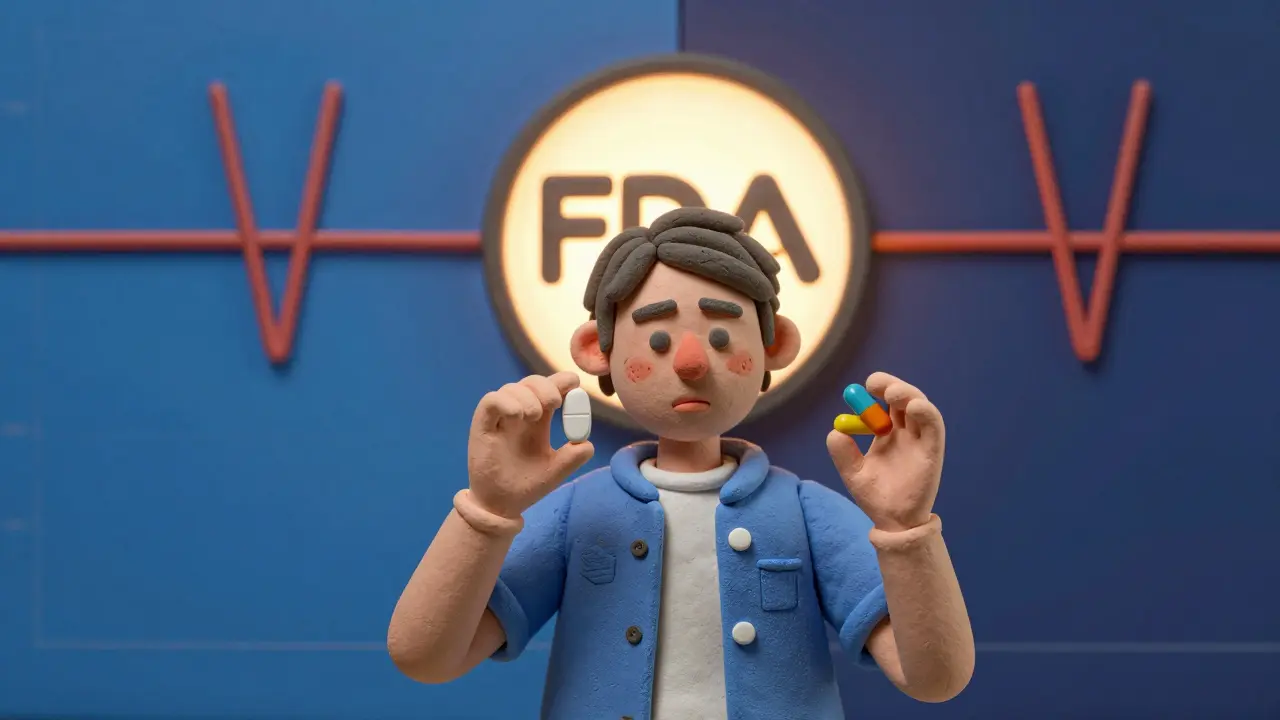
For decades, the word "generic" has carried a quiet stigma in medicine. It makes people think of cheap, maybe inferior, maybe risky. But here’s the truth: generic drugs are not just cheaper-they’re just as effective. The same active ingredient. The same dosage. The same clinical outcome. Yet, 78% of doctors say their patients still worry about them. Why? Because perception doesn’t follow science. And that’s the real problem.
Why Generic Drugs Are Already the Default-But Still Feared
In 2025, generics made up 90% of all prescriptions filled in the U.S. But they only cost 12% of what brand-name drugs did. That’s not a fluke. It’s the result of decades of strict regulation. The FDA requires generics to prove bioequivalence: they must deliver the same amount of active ingredient into the bloodstream at the same rate as the brand. No exceptions. No wiggle room. If a generic doesn’t match within 80-125% of the brand’s absorption rate, it gets rejected.
Still, people hesitate. A patient on a generic blood pressure pill might feel something’s off-even if their numbers are perfect. They’ll switch back to the brand when insurance changes, even if it costs three times as much. Why? Because of how it looks. A white, oval pill with no logo feels less real than a branded one with a logo, color, and history.
This isn’t about ignorance. It’s about psychology. We trust what we recognize. We trust what we’ve been told works. And for years, the marketing machine behind brand-name drugs told us their pills were better. That message stuck-even when science said otherwise.
The Rise of Complex Generics: It’s Not Just Pills Anymore
Today’s generic market isn’t just about aspirin or metformin. The real growth is in complex generics and biosimilars. These aren’t simple copies. They’re highly engineered versions of advanced biologics-drugs made from living cells, not chemicals.
In late 2025, the FDA approved six new biosimilars for denosumab, the drug used to treat osteoporosis and bone metastases. These aren’t just "copies." They’re manufactured using proprietary cell lines, purified under strict conditions, and tested for structural similarity down to the molecular level. The FDA didn’t just approve them-they demanded proof they performed identically in clinical trials.
And they’re being used. In hospitals, injectable generics for chemotherapy and autoimmune conditions are now standard. Pharmacists report fewer side effects and just as strong outcomes. One oncology unit in Sydney switched 80% of its patients from a branded biologic to a biosimilar-savings were 25%, and no patient reported a drop in effectiveness.
The problem? Most people still think biosimilars are "like generics but more expensive." They don’t realize these are the future. And they’re not just for cancer. GLP-1 drugs for weight loss and diabetes-once only available as expensive brands-are now seeing biosimilar versions enter the market. The potential savings? Billions.
Why Cost Alone Won’t Fix the Perception Problem
It’s tempting to think: "Just lower the price, and people will accept them." But that’s not working. In 2025, the average generic cost dropped another 5%, yet patient distrust didn’t budge. Why? Because trust isn’t built on price tags. It’s built on transparency.
Take CivicaScript. This nonprofit manufacturer doesn’t just make generics. It partners directly with hospitals and shows exactly how much each pill costs to produce. No middlemen. No hidden markups. No mystery. They publish their supply chain-where the ingredients come from, how they’re tested, how they’re shipped. Patients who see this data? Their concerns drop by 40%.
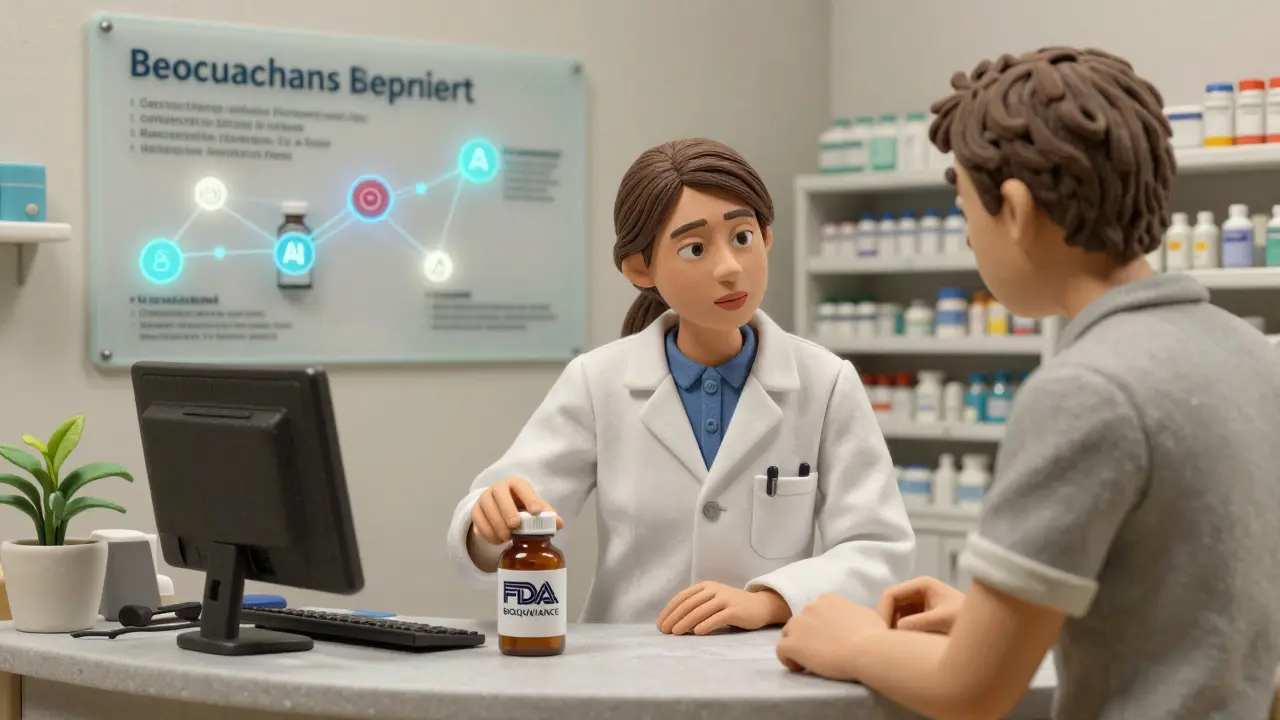
Another approach? Packaging. A pilot program in U.S. clinics started putting the FDA’s bioequivalence stamp right on the pill bottle. Not buried in fine print. Big, bold, and clear: "FDA-Approved Generic. Same Active Ingredient. Same Effectiveness." Within six months, refill rates for generics went up 22%.
And it’s not just about patients. Doctors need education too. A 2025 AMA study found that after a 20-minute training session on how generics are tested and approved, physicians were 35% more likely to confidently recommend them. Many didn’t realize how rigorous the process was.
The Hidden Power of Supply Chain Trust
One of the biggest reasons people distrust generics? Fear of shortages. In 2025, there were still 270 drugs on the FDA’s shortage list. Many were generics. Patients were left without medication. That wasn’t because generics were unreliable-it was because manufacturing was outsourced, fragmented, and vulnerable.
Now, the tide is turning. Domestic production is rising. The U.S. government is funding new facilities in Ohio, North Carolina, and Texas to make active ingredients locally. Companies like CivicaScript are building their own plants. This isn’t just about cost-it’s about control. When you know your pills were made in a facility 200 miles from your hospital, you trust them more.
And technology is helping. Blockchain is being tested to track every batch of generic drug from raw material to pharmacy shelf. AI predicts shortages before they happen. If a batch of insulin generic is delayed, the system flags it, reroutes supply, and notifies prescribers-all before the patient even notices.
These aren’t sci-fi ideas. They’re being used now. And they’re changing the story. When patients see that generics are backed by real-time tracking, domestic manufacturing, and transparent pricing, they stop seeing them as "cheap"-and start seeing them as reliable.
The Future Is Already Here: What’s Next?
By 2034, the global generic market will hit $728 billion. That’s not because we’re running out of brand-name drugs. It’s because the world is running out of money to pay for them.
Medicare Part D reforms in 2025 now require insurers to prioritize generics unless there’s a documented medical reason not to. Insurance companies are pushing harder. Hospitals are demanding better pricing. And patients? They’re starting to notice.
More than 100 brand-name drugs will lose patent protection between 2025 and 2027. That means a flood of new generics-some for drugs that cost over $10,000 a year. Imagine a generic version of a GLP-1 weight loss drug priced at $30 a month instead of $1,200. That’s not just savings. That’s access.
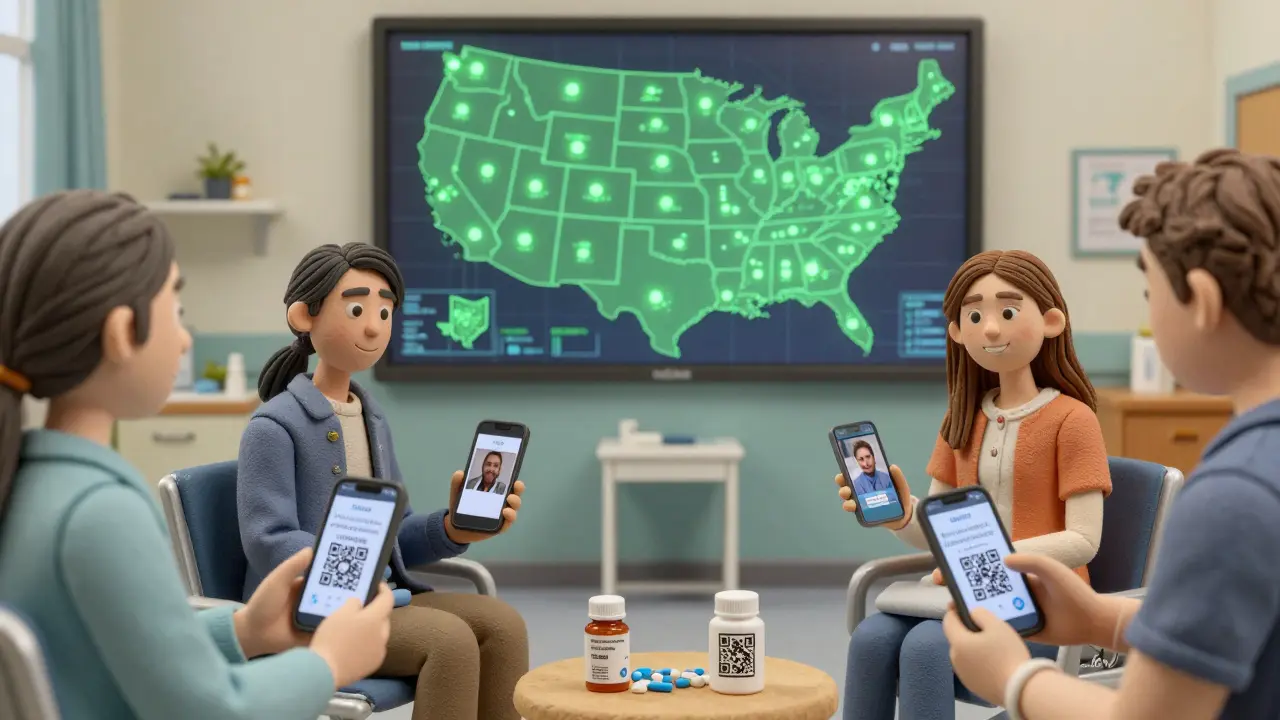
The next step? Making the connection personal. A pharmacy in Sydney started printing QR codes on generic pill bottles. Scan it, and you see a short video: "This pill is the same as the brand. Here’s the FDA report. Here’s how we tested it. Here’s what real patients say." The feedback? "I didn’t know. I thought I was being scammed. Now I feel smart for choosing it."
Changing Minds, One Pill at a Time
The truth is simple: generic drugs are not second-rate. They’re the standard. They’re what most people take. They’re what hospitals rely on. They’re what keeps healthcare affordable.
The challenge isn’t science. It’s storytelling. We need to stop talking about price and start talking about proof. We need to show patients the data. Let them see the testing. Let them know where their pills come from. Let them hear from other people who’ve been on generics for years-no side effects, no relapse, just steady health.
Perception changes slowly. But it changes. And it’s changing now-not because of ads, but because of transparency. Not because of discounts, but because of trust.
The future of medicine isn’t about brand names. It’s about reliability. And generics? They’ve already won. We just need to catch up.
Natanya Green
February 27, 2026 AT 05:28Steven Pam
February 27, 2026 AT 15:52Gwen Vincent
February 27, 2026 AT 18:38tia novialiswati
February 28, 2026 AT 12:15Christopher Brown
March 2, 2026 AT 12:05Sanjaykumar Rabari
March 2, 2026 AT 20:07Kenzie Goode
March 4, 2026 AT 00:27Cory L
March 5, 2026 AT 01:46Bhaskar Anand
March 5, 2026 AT 04:54William James
March 5, 2026 AT 05:59