
Candida Vaginitis: Yeast Infection Symptoms and Over-the-Counter Options

Candida Vaginitis: Yeast Infection Symptoms and Over-the-Counter Options
You know the feeling immediately. That intense itch that gets worse when you try to sleep, or the sudden burning sensation when you wash yourself. You're not imagining it. About three out of four women will deal with this at least once in their lives. It's uncomfortable, frustrating, and often embarrassing to discuss, yet millions of us manage it every year without ever visiting a doctor.
The condition we're talking about is clinically known as Vulvovaginal Candidiasis. Most people simply call it a yeast infection. While the name "yeast" might sound harmless enough, the inflammation it triggers can really throw your day-and your week-out of whack. Fortunately, you don't always need a prescription to get better. With the right knowledge about symptoms and over-the-counter options, you can treat most cases effectively at home.
What Exactly Is a Yeast Infection?
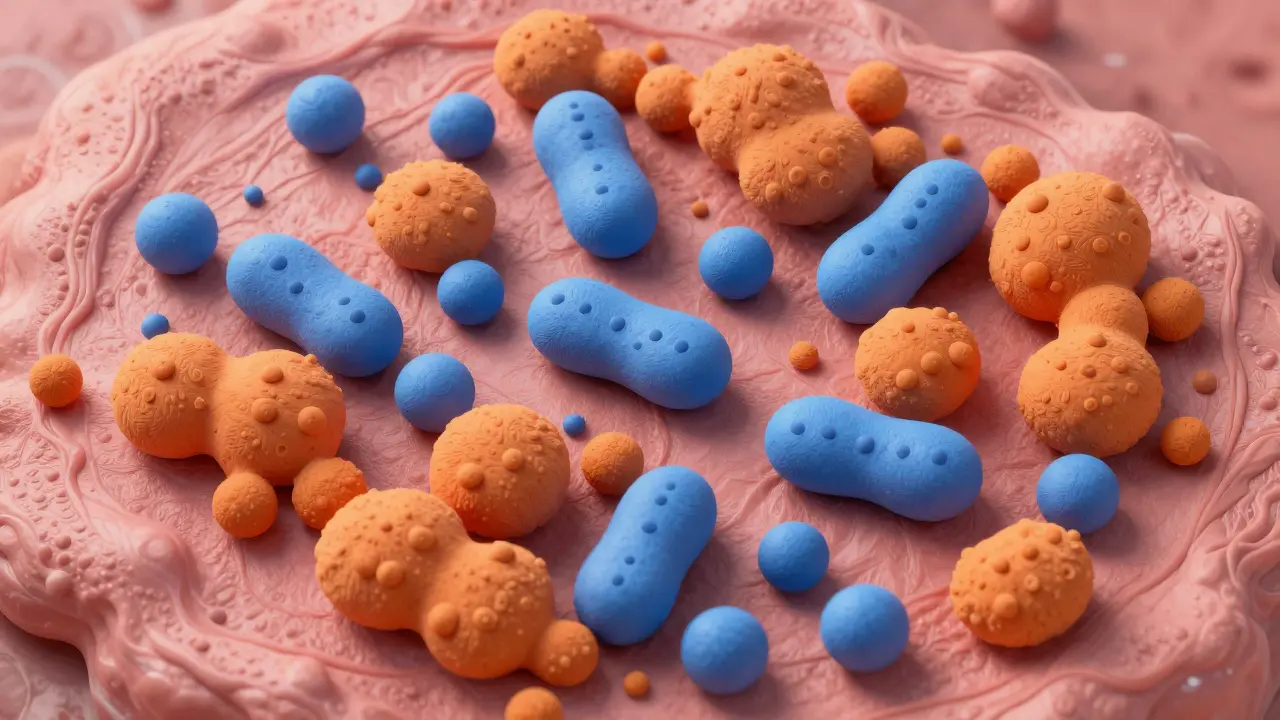
Inside the vagina, there's usually a delicate ecosystem of bacteria and yeast living together in harmony. One of the main yeast types involved here is called Candida albicans. For many women, this organism exists quietly in small amounts, causing absolutely no trouble. Problems arise when this natural balance tips. If the protective bacteria that keep yeast in check die off or decline, the yeast population explodes.
This isn't just a surface issue. Research shows that during an active infection, the fungus burrows slightly into the lining of the vaginal mucosa. This invasion triggers your immune system to send white blood cells to fight it off, which creates the redness and swelling you see. It's a specific reaction to the Candida species overgrowth. While Candida albicans causes the majority of cases (around 80% to 90%), other strains exist. This distinction matters because some strains respond differently to treatment.
Identifying Your Specific Symptoms
Before you rush to grab a box from the pharmacy, you need to be sure this is actually a yeast infection and not something else. Many women mistake Bacterial Vaginosis or Trichomoniasis for a yeast infection, leading to ineffective treatment. To spot the difference, look for this cluster of classic signs:
- Intense Itching: Also known medically as pruritus, this affects nearly all cases. It's usually located on the vulva (the external parts) but can go deeper.
- Discharge Changes: The hallmark sign is thick, white, clumpy discharge. Think of the texture of cottage cheese. While some bacterial infections cause thin, greyish fluid, yeast typically looks curdy and white. However, it can occasionally appear yellowish or even have streaks of pink if the irritation has caused minor bleeding.
- Physical Redness and Swelling: If you examine the area, you'll likely notice bright red skin. Severe cases might show cracked skin or fissures.
- Painful Symptoms: About half of women experience pain during sex (dyspareunia). Burning while urinating happens too, primarily because urine irritates the already inflamed skin rather than indicating a urinary tract infection.
If you've had this before, you can usually recognize the pattern instantly. But if this is your first time, misdiagnosis is common. Up to half of self-diagnosed cases turn out to be incorrect when tested medically. If your symptoms don't match this list closely, skip the self-treatment and talk to a healthcare provider instead.
Why Did This Happen to You?
It feels random when it hits, but specific triggers usually push the body toward infection. Understanding these helps you prevent future flare-ups.
- Recent Antibiotic Use: This is the most frequent culprit. When you take antibiotics for a sinus infection or throat infection, they kill the bad germs. Unfortunately, they also wipe out the good Lactobacillus bacteria that protect your vagina. Without those guards, yeast grows unchecked.
- Hormonal Shifts: Pregnancy drastically changes the landscape. High estrogen levels increase glycogen in the vaginal cells, feeding the yeast. About 20% to 30% of pregnant women experience this. Hormone birth control and hormone replacement therapy can play a similar role.
- Uncontrolled Blood Sugar: If you have diabetes or undiagnosed high blood sugar, your body produces extra glucose. Yeast feeds on sugar. Studies show that poorly managed diabetes increases the risk significantly, making you more prone to severe infections that don't clear easily.
- Weakened Immune System: Stress and illness lower your defenses. Conditions like HIV specifically impact how your body fights fungal organisms, making infections harder to treat.
Choosing the Right Over-the-Counter Product
Pharmacies offer several formulations that work directly on the site of the infection. Unlike oral pills which circulate through your whole body, these topical treatments target the fungus locally with fewer systemic side effects. The most active ingredients found in these boxes are azole antifungals. Here are the two main categories you will encounter:
| Medication Type | Common Active Ingredients | Dosage Duration | Typical Form |
|---|---|---|---|
| Clotrimazole | Clotrimazole 1% or 2% | 3 to 7 days (sometimes 14) | Cream or Tablet |
| Miconazole | Miconazole Nitrate | 3 to 7 days | Suppository or Cream |
You might find Tioconazole as well, often sold as a one-day cream treatment. These are powerful enough to cure uncomplicated cases in about 85% to 90% of women who use them correctly. The choice between a cream and a suppository often comes down to personal preference regarding messiness versus comfort. Creams cover the external itching well, while tablets or suppositories dissolve internally to treat the vaginal canal directly.
How to Apply Treatments Correctly
Buying the right medicine is only half the battle. Improper application is a leading cause of recurrence. You want the medication to stay in place long enough to kill the fungus. Here is the standard protocol used by dermatologists and gynecologists for best results:
- Timing Matters: Bedtime is ideal. When you lie flat to sleep, gravity keeps the medication in the vagina. Applying it in the morning means standing around might cause it to leak out prematurely.
- Complete the Course: This is the rule most people break. Even if the itching stops on day two, you must finish all the tubes or insert all the tablets. Stopping early leaves surviving spores alive, ready to bloom again when you least expect it.
- Avoid Sexual Activity: Sex during treatment can reduce efficacy. Friction irritates the raw skin further, and semen or lubricants might neutralize the antifungal action.
- Hygiene First: Wash your hands thoroughly before touching the applicator or insertion tip. Do not share these applicators with anyone.
A study from Johns Hopkins showed that roughly 85% of successful treatments relied on consistent nightly application. Consistency beats intensity when dealing with fungal walls.
When OTC Medications Aren't Enough
There is a growing concern about antifungal resistance. Over time, some yeast strains evolve to withstand standard medications. Additionally, if you fall into certain high-risk groups, the over-the-counter approach might fail entirely. Medical guidelines explicitly recommend against self-treatment if:
- It's Your First Episode: Without prior history, you cannot accurately diagnose yourself.
- You Are Pregnant: Oral fluconazole is contraindicated. Topical azoles are safe, but a doctor should confirm the diagnosis first.
- Diabetes or Immunocompromise Exists: You need stronger, longer prescriptions.
- Symptoms Persist: If you finish a 7-day course and nothing has improved after another few days, stop and consult a professional. Continued use won't help.
- Fever or Lower Abdominal Pain Occurs: These signal a different infection, possibly pelvic inflammatory disease, which needs urgent care.
For women with recurrent infections-defined as four or more episodes in a year-the standard OTC regimen is insufficient. This condition requires a loading dose of oral fluconazole followed by maintenance therapy prescribed by a doctor. Self-medicating repeatedly in this scenario often masks the real problem without solving it.
Living With Less Risk
Prevention is always easier than chasing a cure. Simple adjustments to your daily habits can significantly reduce your chances of catching this bug again. Wear cotton underwear rather than synthetic nylon, which traps heat and moisture. Damp environments invite yeast. Change out of wet swimwear or sweaty workout gear as quickly as possible.
If you must take antibiotics for another illness, probiotics can help restore gut flora, though evidence on vaginal benefits is mixed. Still, maintaining overall hygiene, avoiding douching (which washes away good bacteria), and keeping your blood sugar stable if you are diabetic form the foundation of long-term prevention. Don't forget to rotate your panty liners; wearing them continuously without changing creates a warm, moist pocket perfect for yeast growth.
Frequently Asked Questions
Can my partner catch a yeast infection from me?
Unlike bacterial infections, yeast infections are generally not considered sexually transmitted. They do not pass back and forth like gonorrhea. However, sexual activity can trigger an episode in some cases due to friction or pH changes. In rare instances, men may develop balanitis (skin inflammation), requiring separate treatment.
Is yogurt an effective cure?
Probiotic-rich yogurt contains beneficial bacteria but usually lacks sufficient strength to cure an active infection. It is helpful as a preventive measure or supportive habit, but relying solely on yogurt delays effective antifungal treatment.
Will I need a test to prescribe meds?
A swab test is not strictly necessary for typical cases diagnosed by a doctor based on symptoms. However, if symptoms persist after treatment or if you are immunocompromised, a lab culture confirms the specific yeast species to guide correct therapy.
Does diet change affect yeast growth?
While reducing sugar intake doesn't guarantee immunity, high blood sugar levels provide fuel for yeast. Maintaining a low-glycemic diet supports immune function and reduces recurrence, particularly for diabetics.
Jeannette Kwiatkowski Kwiatkowski
March 28, 2026 AT 04:46It is fascinating to observe how laypeople conflate basic biology with complex pathology. Most women fail to understand the nuance of mucosal immunity in these situations. They simply rush to the pharmacy without considering the ecosystem collapse happening internally. Lactobacillus depletion is rarely discussed in public forums despite its importance. Antibiotics are indeed the primary trigger for this microbial imbalance. However, many ignore the dietary component entirely during their research phase. Sugar intake fuels the candida bloom significantly faster than most people realize. The cottage cheese texture described is merely a symptom of necrotic debris accumulation. Topical treatments work well only when applied with strict consistency. Many discontinue treatment prematurely because they lack the necessary patience. This behavior encourages resistance strains that become problematic later in life. Medical literature supports the fourteen day protocol for recurrent cases specifically. Yet individuals prefer quick fixes over sustained recovery methods. Ignoring the immune system's role is a fundamental error in logical thinking. One should prioritize systemic health over symptomatic relief alone always.
Paul Vanderheiden
March 28, 2026 AT 05:15you really got it right about the antibiotics causing havoc with your gut health its crazy how much they mess us up i always try to take probiotics right after finishing a round of meds just to be safe its definitely worth the effort to get better fast
Rohan Kumar
March 29, 2026 AT 08:08I bet Big Pharma wants you to believe you need their creams to survive 🦠💊 honestly most natural remedies work better if you just eat less sugar and stop douching the chemicals in those tubes do more harm than good eventually they want dependency 😷🧪
tyler lamarre
March 29, 2026 AT 17:27The theory that natural remedies replace clinical medication is absurd and dangerous. Ignoring prescribed antifungals delays actual healing and risks complications.
Rachael Hammond
March 31, 2026 AT 16:54hi everyone i wanted to share my expierence with this issue since i had it many times recuring was hard to deal with i went to the pharmasy and they suggested miconazole but it worked slow i think the best thing is to wear cotten undrewear and not tight jeans to let air circulate properly helps lot for prevension of flareups
Aaron Olney
March 31, 2026 AT 19:11i cant believe im going through thi again after last summer was so bad. my skin was burning every singl time i tried to sleep properly. the itch was so intense i scraped myself raw in the night completely. doctors told me to stop using scented soap which makes sense now. i used to think it was stress but it was definetly the antibiotics i took. now i get scared whenever i feel even a tiny bit of warmth there. you have to finish the cream or it comes back twice as strong. i felt so embarrassed walking into the store to buy the applicators secretly. my boyfriend did not know what to do and just looked confused. he said sex would hurt but he never touched me until i healed fully. i hate feeling gross and unclean in my own underwear all day long. please do not stop early because i made that mistake already once before. the burning when peeing was the worst part honestly speaking. i kept telling myself it was just going away but it stayed forever. nobody talks about how humiliating it feels to deal with leakage in your pants.
gina macabuhay
April 2, 2026 AT 12:22Your hygiene choices are clearly inadequate if you require such frequent interventions into your private health matters.
Debra Brigman
April 4, 2026 AT 06:26The human body exists as a fragile garden of microscopic organisms constantly shifting balance. We often forget that inflammation is actually a signal from our internal defenses. This condition represents a breach in the sacred truce between host and guest species. Nature demands equilibrium yet we disrupt it with modern chemical interventions frequently. The itching sensation is simply the body crying out for restoration of order. Healing involves listening to the quiet whispers of cellular distress rather than suppressing them. We live in an era where silence is preferred over vocal discomfort. True wellness requires acknowledging the symbiotic relationship within our own flesh. Medicine offers tools but wisdom dictates how and when to utilize them properly. We must view yeast not as an enemy but as a misguided neighbor. Restoring peace requires addressing the soil conditions that allowed the chaos to begin. Diet becomes a liturgy of daily maintenance for the biological temple. Neglect leads to recurring cycles of suffering that teach us nothing. Patience allows the flora to re-establish dominance naturally over time. Understanding this brings a deeper connection to our physical existence.
Austin Oguche
April 5, 2026 AT 10:22good info here thanks sharing
Devon Riley
April 7, 2026 AT 05:55It takes courage to discuss these struggles openly so thank you for bringing awareness to the topic. Please remember that treating the underlying cause is far more important than just masking the symptoms temporarily.
Tony Yorke
April 7, 2026 AT 15:55Stay healthy and listen to your body always.
Monique Louise Hill
April 8, 2026 AT 15:55You really need to stop eating so much sugar if you expect your body to fight off these invaders naturally 🍬❌ Your lifestyle is the biggest factor here not just random bad luck 🙄👇 Take responsibility for your own health management.