
Beta-Blockers and Calcium Channel Blockers: What You Need to Know About Combination Therapy
Beta-Blocker + Calcium Channel Blocker Safety Checker
Patient Assessment
Why Doctors Combine Beta-Blockers and Calcium Channel Blockers
When a patient’s blood pressure won’t budge with one drug, or angina keeps coming back despite treatment, doctors sometimes reach for a second medication. That’s where beta-blockers and calcium channel blockers come in. These two classes of drugs work in different ways to calm the heart, and when used together, they can do more than either alone. But this combo isn’t simple. It’s powerful-and risky if used wrong.
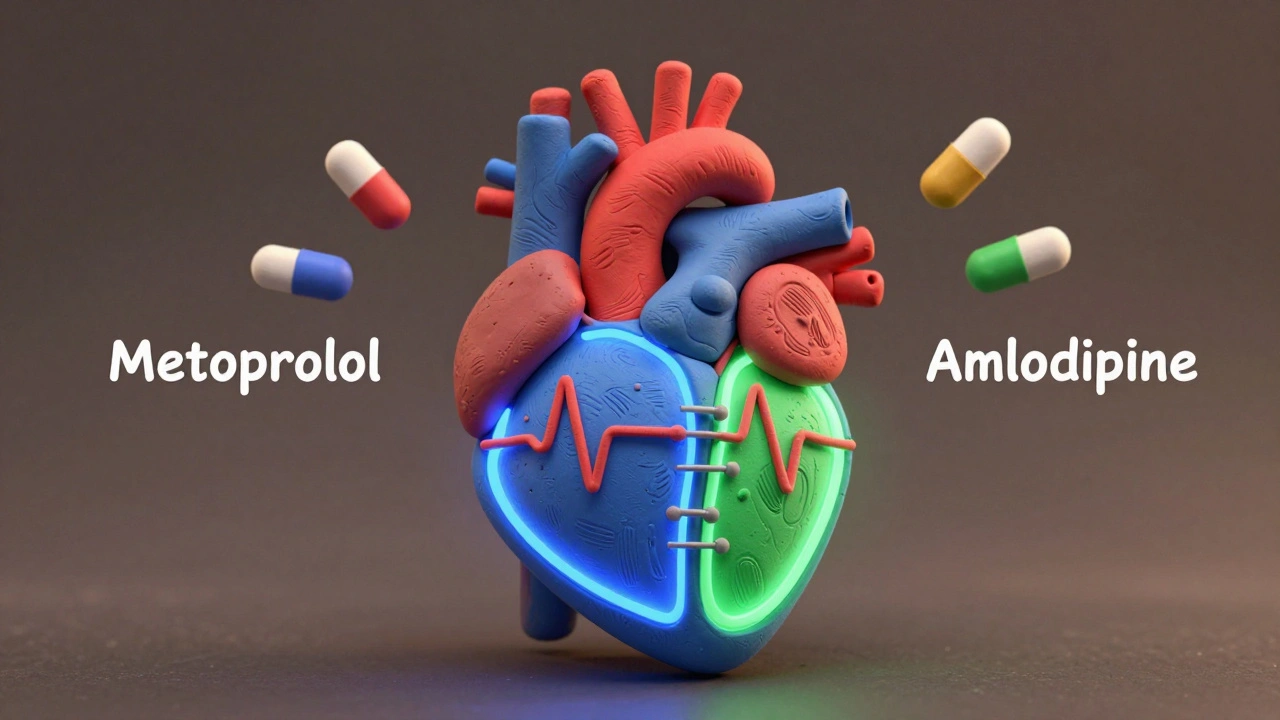
Beta-blockers, like metoprolol and atenolol, slow the heart by blocking adrenaline. They lower heart rate, reduce the force of each beat, and ease the heart’s workload. Calcium channel blockers, such as amlodipine and diltiazem, relax blood vessels by keeping calcium out of muscle cells. This lowers blood pressure and improves blood flow to the heart.
The real value of combining them? Better control of hypertension and angina. A 2023 study of over 18,000 Chinese patients showed that patients on a beta-blocker plus a dihydropyridine calcium channel blocker (like amlodipine) had a 17% lower risk of heart attacks, strokes, and heart failure compared to other dual-drug combos. That’s not a small win. But here’s the catch: not all calcium channel blockers are the same. And mixing the wrong one with a beta-blocker can be dangerous.
The Big Difference: Dihydropyridines vs. Non-Dihydropyridines
Not all calcium channel blockers behave the same way. There are two main types, and the difference matters a lot when paired with beta-blockers.
Dihydropyridines-like amlodipine, nifedipine, and felodipine-mostly affect blood vessels. They dilate arteries, lowering blood pressure without much direct effect on heart rhythm or contractility. That makes them the safer choice to combine with beta-blockers. In fact, this combo is now a first-line option for patients with both high blood pressure and angina, according to the 2018 European Society of Cardiology guidelines.
Non-dihydropyridines-verapamil and diltiazem-are different. They don’t just relax blood vessels. They also slow the heart’s electrical system and weaken its pumping ability. When you add these to a beta-blocker, you’re stacking two drugs that both slow the heart. That’s where things go wrong.
A 2023 NIH study found that 10-15% of patients on verapamil plus a beta-blocker developed dangerous bradycardia or heart block. One patient in a Reddit cardiology thread described losing a patient to complete heart block after adding verapamil to metoprolol. That’s not rare. It’s a known risk. And it’s why many doctors avoid this combo entirely in older adults or anyone with even mild conduction problems.
Who Should Avoid This Combo-And Why
This combination isn’t for everyone. In fact, it’s banned for some people.
The European Society of Cardiology explicitly says: Do not use beta-blockers with verapamil or diltiazem if the patient has:
- Sinus node dysfunction (a slow or irregular natural pacemaker)
- Second- or third-degree heart block
- A PR interval longer than 200 milliseconds (seen on ECG)
Why? Because the combination can push the heart’s electrical system past its limit. The PR interval measures how long it takes for an electrical signal to travel from the top to the bottom of the heart. If it’s already stretched out, adding two heart-slowing drugs can make it so long that the heart skips beats-or stops entirely.
Patients with heart failure and reduced ejection fraction (HFrEF) should also avoid this combo. Studies show that adding verapamil or diltiazem to beta-blockers can drop ejection fraction by 15-25% in those already struggling. That’s a sharp decline. Amlodipine, on the other hand, is generally safe in HFrEF and may even be preferred.
Age matters too. Patients over 65 are three times more likely to need a pacemaker after starting verapamil with a beta-blocker than those on amlodipine. The heart’s natural conduction system weakens with age. Adding these drugs is like adding weight to a fraying rope.

What Happens to Your Heart When These Drugs Combine
When beta-blockers and calcium channel blockers team up, the heart feels the pressure-in more ways than one.
Resting heart rate can drop by 25-35 beats per minute with verapamil plus a beta-blocker. That’s not just slow-it’s dangerously slow. Normal resting heart rate is 60-100 bpm. A rate below 50 can cause dizziness. Below 40? That’s a medical emergency.
Electrical delays get worse too. The PR interval can stretch by 40-80 milliseconds. On an ECG, that’s a visible warning sign. Many doctors now check this before prescribing the combo.
Pressure builds inside the heart. In patients with heart failure, studies show left ventricular end-diastolic pressure can rise by 8-12 mmHg when beta-blockers are paired with nifedipine. That means the heart’s main pumping chamber is filling with too much blood and struggling to push it out. It’s like trying to pump a water balloon that’s already overinflated.
And then there’s contractility-the heart’s ability to squeeze. Beta-blockers reduce it. Non-dihydropyridine CCBs reduce it even more. Together, they can cut the heart’s pumping power by a quarter. That’s why ejection fraction must be checked before starting this combo. If it’s below 45%, the risk of worsening heart failure jumps sharply.
When the Combo Actually Works-And Who Benefits Most
Despite the risks, this combination saves lives when used correctly.
It’s most effective in patients with:
- Hypertension that won’t respond to one drug
- Chronic angina, especially when beta-blockers alone aren’t enough
- High resting heart rate (over 80 bpm)-a key marker in ESC guidelines
- No history of heart block, bradycardia, or heart failure
For these patients, the combo delivers results. A 2022 analysis showed that patients on beta-blocker + amlodipine had a 22% lower stroke risk and 28% lower heart failure risk than those on other dual therapies. That’s better than ACE inhibitors plus thiazides in some cases.
Doctors who use this combo regularly say it’s predictable when done right. Dr. Sarah Chen from Massachusetts General Hospital treated over 200 patients with metoprolol and amlodipine. Only 3% developed ankle swelling-a common side effect of amlodipine-and most cases were fixed by lowering the dose.
The combo is especially popular in Asia. In China, 22% of dual hypertension therapies are beta-blocker + calcium channel blocker, compared to 12% in the U.S. That’s because Chinese guidelines are more permissive-and because the population has higher rates of hypertension with high heart rates.

Side Effects You Can’t Ignore
Even the safer combos come with trade-offs.
Peripheral edema-swelling in the ankles and legs-is the most common complaint. About 22% of patients on amlodipine develop it, compared to 16% on other drugs. It’s not dangerous, but it’s annoying. Many patients quit because of it.
Bradycardia is the silent killer. It doesn’t always cause symptoms. A patient might feel fine until they faint while walking to the bathroom. That’s why weekly heart rate checks are mandatory for the first month after starting the combo.
Some patients get dizzy, tired, or short of breath. These aren’t just side effects-they’re signs the heart is being over-slowed. One study found 18.7% of patients on verapamil + beta-blocker stopped the meds because of side effects. Only 8.1% stopped with amlodipine + beta-blocker.
And then there’s the drug interaction risk. Verapamil blocks a protein called P-glycoprotein that helps clear beta-blockers from the body. In people with a genetic variant called CYP2D6 poor metabolizer (about 30% of Asians, 7% of Caucasians), this can boost beta-blocker levels by 20-30%. That’s enough to cause trouble even if the doses seem normal.
How to Use This Combo Safely
If you’re considering this combo, here’s how to do it right:
- Check the ECG first. PR interval must be under 200ms. No heart block.
- Test heart function. Echocardiogram to measure ejection fraction. Avoid if below 45%.
- Choose amlodipine. Never start with verapamil or diltiazem unless there’s no other option-and even then, only with extreme caution.
- Start low, go slow. Use half the usual dose of each drug at first. Wait two weeks before increasing.
- Monitor weekly. Check heart rate, blood pressure, and symptoms for the first month.
- Watch for swelling. If ankles puff up, lower the amlodipine dose before adding a diuretic.
- Know the red flags. Dizziness, fainting, extreme fatigue, or a pulse below 50 bpm? Stop the meds and call your doctor.
The American Heart Association has a free algorithm for managing side effects. Hospitals that use it cut emergency visits by 37%. That’s not magic-it’s structure.
The Future of This Combination
Doctors aren’t abandoning beta-blocker + calcium channel blocker therapy. They’re just getting smarter about it.
Drug manufacturers are focusing on dihydropyridine combos. GlobalData predicts a 5.7% annual rise in prescriptions for amlodipine + beta-blocker through 2028. Verapamil combos? They’re fading.
Regulators are stepping in. The FDA added a boxed warning in 2021 for verapamil + beta-blocker in patients with conduction issues. The European Medicines Agency now requires an echocardiogram before starting the combo.
And tools are improving. The European Society of Cardiology released a free online calculator in 2023 that predicts bradycardia risk with 89% accuracy. It asks for age, heart rate, PR interval, and kidney function-and gives a green, yellow, or red risk rating.
This combo isn’t going away. But it’s no longer a first-choice default. It’s a precision tool-for the right patient, with the right drug, and with the right monitoring. Get it wrong, and you risk heart block. Get it right, and you could prevent a stroke, a heart attack, or even a death.
Can I take beta-blockers and calcium channel blockers together?
Yes-but only under strict medical supervision. The combination is safe and effective when using a dihydropyridine calcium channel blocker like amlodipine with a beta-blocker, especially for patients with high blood pressure and angina. It’s dangerous with non-dihydropyridines like verapamil or diltiazem, particularly in older adults or those with heart rhythm issues.
What’s the biggest risk of combining these drugs?
The biggest risk is severe bradycardia or heart block, especially with verapamil or diltiazem. These drugs both slow the heart’s electrical system. Together, they can cause the heart rate to drop dangerously low or stop electrical signals entirely, leading to fainting, cardiac arrest, or the need for a pacemaker.
Is amlodipine safer than verapamil when combined with a beta-blocker?
Yes, amlodipine is much safer. It affects blood vessels, not the heart’s rhythm. Verapamil slows heart rate and conduction, which can dangerously amplify the effects of beta-blockers. Studies show verapamil combinations increase the risk of needing a pacemaker by over three times compared to amlodipine.
Who should never take this combination?
Patients with sinus node dysfunction, second- or third-degree heart block, a PR interval longer than 200ms, heart failure with reduced ejection fraction (below 45%), or a history of fainting or very slow heart rate should avoid beta-blockers with verapamil or diltiazem. Even amlodipine combinations require caution in elderly patients.
Do I need an ECG before starting this combo?
Absolutely. A baseline ECG to check your PR interval and heart rhythm is required before starting any beta-blocker and calcium channel blocker combination. An echocardiogram to measure heart pumping strength is also strongly recommended, especially if you’re over 65 or have any history of heart disease.
What are the signs I should stop taking this combo?
Stop and contact your doctor immediately if you experience dizziness, fainting, extreme fatigue, shortness of breath at rest, or a pulse below 50 beats per minute. Swelling in the ankles, while common, isn’t an emergency-but if it’s new or worsening, tell your doctor. These could mean your heart is being over-suppressed.
Rob Purvis
December 11, 2025 AT 20:13Wow, this is one of the clearest breakdowns I’ve seen on this combo-seriously, thank you. I’ve been on metoprolol for years, and my doc just added amlodipine last month. I had no idea about the PR interval thing. I got an ECG last week, and mine was 178ms-so I’m good. But I’m now checking my pulse every morning. Also, the ankle swelling? Yeah, it’s annoying. I started walking barefoot at home to see if it helped. No magic fix, but it feels less puffy.
Levi Cooper
December 13, 2025 AT 08:01Why are we even using this combo in the US? In Europe they’re way more cautious. We’re just throwing pills at problems like it’s a video game. I’ve seen too many old folks on verapamil + beta-blocker and then wind up in the ER with a pacemaker. It’s not science-it’s lazy prescribing. And don’t get me started on how they ignore the CYP2D6 variants. Asians get hit harder, and we still don’t test for it. Pathetic.
Adam Everitt
December 14, 2025 AT 11:04the thing is... its not the drugs its the *system*
we treat bp like its a number to crush not a sign to listen to
we dont ask why the heart is racing, we just mute it
and then we stack drugs like lego blocks
and wonder why the tower falls
also... i think verapamil is a bad idea... but i might be wrong
my grandad had a pacemaker after that combo... he was 71... i think he was fine before...
wendy b
December 15, 2025 AT 16:05As a board-certified cardiologist’s assistant with over a decade of clinical experience, I must emphasize that the European Society of Cardiology guidelines are not merely recommendations-they are evidence-based imperatives. The conduction system’s vulnerability in elderly patients cannot be overstated. Furthermore, the pharmacokinetic interaction involving P-glycoprotein and CYP2D6 polymorphisms is not anecdotal; it is quantified in multiple peer-reviewed pharmacogenomic studies. You are not merely managing hypertension-you are modulating cardiac electrophysiology, and failure to recognize this constitutes negligence.
Lawrence Armstrong
December 16, 2025 AT 14:27Biggest takeaway: Amlodipine = good. Verapamil = nope. 🚫
My dad was on verapamil + metoprolol for 3 months. Pulse dropped to 42. He passed out in the grocery store. ICU. Pacemaker. 😥
Now he’s on amlodipine + low-dose metoprolol. Pulse 62. No dizziness. No fainting. Just a little ankle puffiness. He wears compression socks now. Life’s better. ❤️
Ashley Skipp
December 17, 2025 AT 13:03my doctor just threw both at me and said 'it should work' i have no idea what i'm on or why i'm dizzy all the time but i guess its fine
Robert Webb
December 18, 2025 AT 06:57I’ve been reading this thread and I want to add something that doesn’t get talked about enough-the psychological toll of this combo. It’s not just about heart rate numbers or ECGs. Patients on these drugs often feel like their bodies are betraying them. You’re told to take something that slows you down, then you feel tired, then you feel guilty for being tired, then you start doubting everything. I’ve seen patients quit because they felt like they were 'broken' instead of 'being treated.' We need to talk about the emotional side too. It’s not just physiology. It’s identity. And if you’re a patient, please know: feeling sluggish doesn’t mean you’re failing. It means the drugs are working… and maybe working too hard. Talk to your doctor about dose adjustments. Don’t just suffer silently. You deserve to feel like yourself again, even if you’re on meds.
Audrey Crothers
December 19, 2025 AT 20:56OMG I’m so glad I read this!! My mom just got this combo and I was terrified. Now I know to check her pulse every day and watch for swelling. I printed out the red flags list and taped it to the fridge. 🍎❤️🩹 She’s 72 and was so scared to start meds… now she says she feels calmer. But I’m still checking her ankle size every morning. No more guessing. Just science. 💪