
Benzodiazepines: What They Do, Why They’re Risky, and How to Use Them Safely
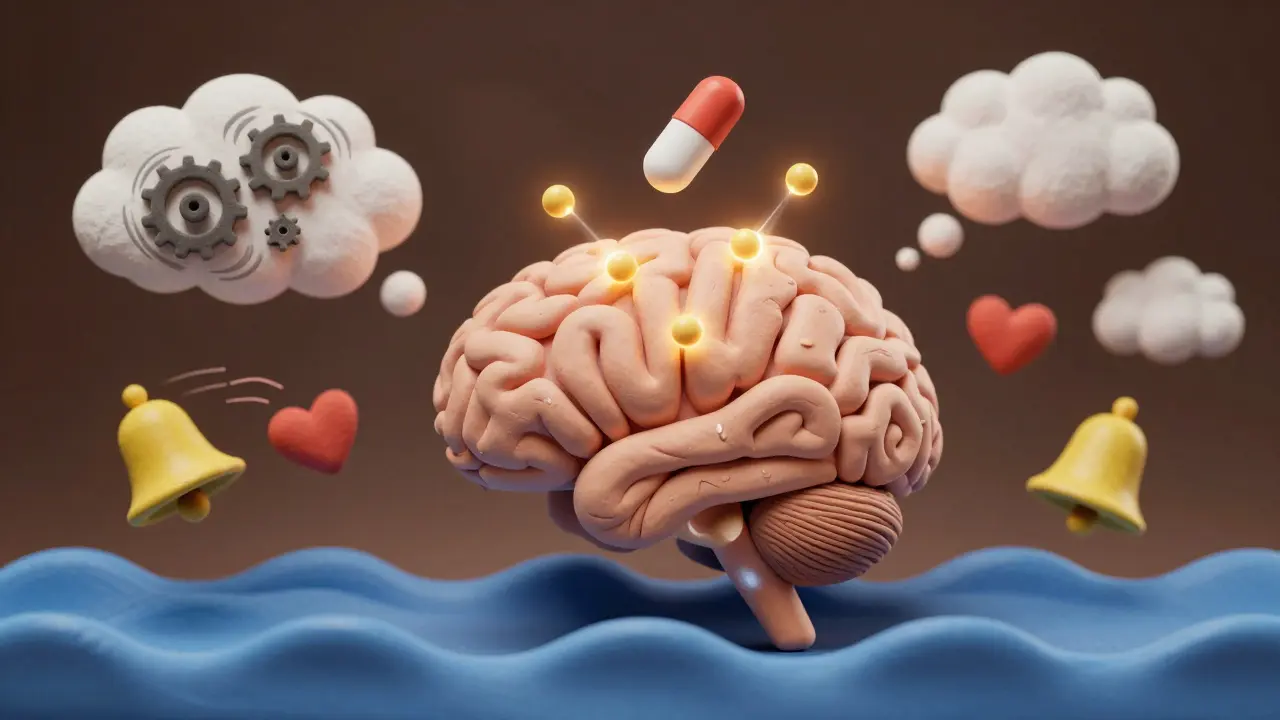
For decades, benzodiazepines have been a go-to solution for sudden anxiety, panic attacks, and insomnia. They work fast-sometimes in under an hour. If you’ve ever felt your heart racing, your chest tightening, or your mind spinning out of control, you might understand why people turn to them. But here’s the catch: what helps today can hurt you tomorrow. These drugs aren’t harmless. They’re powerful, addictive, and far more dangerous than most people realize when used longer than a few weeks.
How Benzodiazepines Actually Work
Benzodiazepines don’t just make you feel calm-they change how your brain works at a chemical level. They boost the effect of GABA, a natural brain chemical that slows down overactive nerve signals. Think of it like turning down the volume on a loudspeaker inside your head. When anxiety spikes, your brain’s alarm system goes off nonstop. Benzodiazepines mute that noise. That’s why they’re so effective for panic attacks, seizures, or even muscle spasms.
Not all benzodiazepines are the same. Some wear off quickly-like triazolam or alprazolam-and are used for sleep or sudden anxiety. Others, like diazepam or clonazepam, stick around longer and are better for ongoing conditions like alcohol withdrawal or chronic seizures. The key difference? Half-life. Short-acting ones leave your system in hours. Long-acting ones hang on for days. That affects everything: how often you take them, how bad withdrawal gets, and whether you feel groggy the next morning.
When They Help-And When They’re Essential
Benzodiazepines have real, life-saving uses. In emergency rooms, midazolam stops seizures that won’t quit. In intensive care units, it helps patients tolerate breathing tubes. For someone in the middle of a panic attack, a single dose of lorazepam can bring them back from the edge. Alcohol withdrawal? Diazepam is often the first line of defense to prevent dangerous tremors, hallucinations, or seizures.
For short-term anxiety-say, before surgery, after a trauma, or during a crisis-they’re unmatched. Studies show 60 to 80% of people feel relief within days, while antidepressants like SSRIs take weeks to kick in. That speed matters. If you’re terrified to leave your house or can’t sleep for nights on end, waiting for a slow-acting drug isn’t an option.
But here’s what most doctors won’t tell you upfront: that relief doesn’t last. After 2 to 4 weeks, your brain starts adapting. You need more to get the same effect. That’s tolerance. And once tolerance sets in, dependence isn’t far behind.
The Hidden Cost: Dependence and Withdrawal
One in three people who take benzodiazepines for more than four weeks become physically dependent-even if they’re taking them exactly as prescribed. That’s not addiction. That’s biology. Your brain stops making enough GABA on its own because the drug is doing the job. When you stop, your nervous system goes into overdrive.
Withdrawal isn’t just feeling anxious again. It’s worse. People report seizures, hallucinations, extreme insomnia, muscle cramps, heart palpitations, and even suicidal thoughts. Some describe it as a full-body nervous system crash. The Ashton Manual, the gold standard for tapering, says most people need 3 to 6 months to safely stop after long-term use. Rushing it can be deadly.
And it’s not rare. On Reddit’s r/Anxiety forum, 72% of users who tried quitting after months or years of use said withdrawal symptoms were worse than the original anxiety. One woman described it as “feeling like my nerves were on fire.” Another said he couldn’t walk straight for weeks. These aren’t outliers. They’re the norm.
Who’s Most at Risk?
It’s not just about how long you take them-it’s who you are. Older adults are especially vulnerable. The American Geriatrics Society says benzodiazepines increase fall risk by 50% and raise dementia chances by 32% in people over 65. That’s why they’re now on the “Beers Criteria” list of drugs to avoid in seniors.
Women are prescribed them more often-nearly twice as many prescriptions as men. That’s partly because anxiety disorders are more common in women, but also because doctors tend to reach for quick fixes when patients report emotional distress. And while men are less likely to be prescribed them, they’re more likely to misuse them, especially when mixed with alcohol or opioids.
People with a history of substance use disorder are at the highest risk of abuse. But even those without any past issues can get hooked. The drug doesn’t care about your intentions. It only cares about how your brain changes over time.
Alternatives That Actually Work Long-Term
There are better options for managing anxiety and insomnia-ones that don’t come with a ticking time bomb.
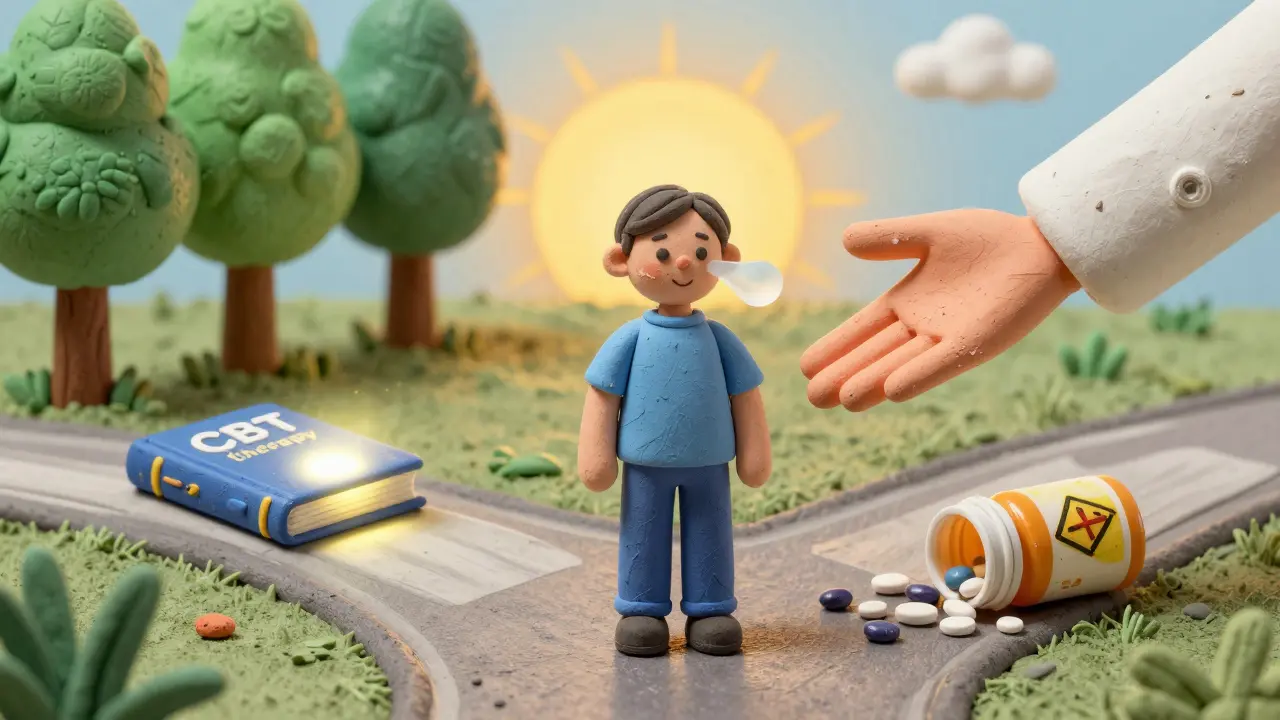
For anxiety, SSRIs and SNRIs (like sertraline or venlafaxine) are the first-line treatment. They take 4 to 6 weeks to work, but once they do, they’re effective for years without dependence. Cognitive behavioral therapy (CBT) is just as effective as medication for anxiety, and its benefits last long after treatment ends.
For insomnia, CBT-I (Cognitive Behavioral Therapy for Insomnia) is the top-recommended treatment by sleep experts. It teaches you how to break the cycle of lying awake, worrying about sleep, and then using pills to escape it. Studies show it works better than sleeping pills-and lasts longer.
And here’s something surprising: combining low-dose benzodiazepines with CBT cuts dependence risk by 58%, according to a 2023 JAMA study. That means you can use the drug briefly to get through a crisis, while learning tools to handle it without drugs later.
What Safe Use Looks Like
If you’re prescribed benzodiazepines, here’s how to stay safe:
- Set a clear end date. Never take them “until I feel better.” Ask your doctor: “What’s the longest I should take this?” and write it down.
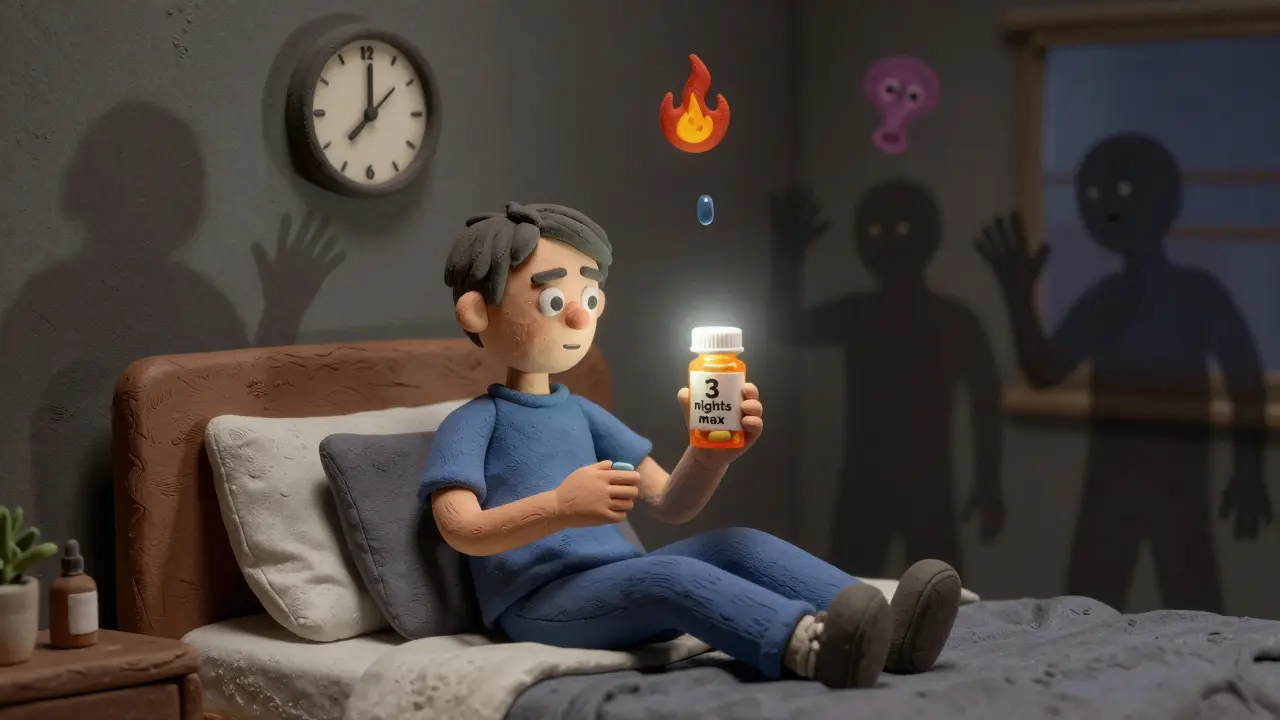
- Use them only when needed. For panic attacks, take one pill when symptoms hit-not every day. For sleep, use it for 3 nights max, then stop.
- Never mix with alcohol or opioids. This combo can stop your breathing. It’s killed thousands.
- Don’t stop cold turkey. Even if you’ve only taken them for a month, taper slowly under medical supervision.
- Track your use. Keep a log: date, dose, reason. It helps you see patterns and gives your doctor clear info.
Many clinics now use electronic alerts to flag prescriptions longer than 90 days. Kaiser Permanente cut long-term use by 37% just by adding those alerts. You can do the same at home.
The Bottom Line
Benzodiazepines aren’t evil. They’re tools. But like a chainsaw, they’re dangerous in untrained hands. Used right-for a few days, in a crisis-they can be lifesaving. Used longer, they become a trap.
The real problem isn’t the drug. It’s the belief that anxiety needs a chemical fix. It doesn’t. It needs time, support, and skills. Benzodiazepines can buy you time. But they can’t give you back your life. Only you can do that.
And if you’re already dependent? You’re not weak. You’re human. Help is available. Start with your doctor. Ask about tapering plans. Look into CBT. Join a support group. You don’t have to go through withdrawal alone.
Can you become addicted to benzodiazepines even if you take them as prescribed?
Yes. Physical dependence can develop in 30 to 50% of people who take benzodiazepines for more than 4 weeks-even at the right dose. Dependence means your body adapts to the drug and needs it to function normally. That’s not the same as addiction (which involves compulsive use despite harm), but it still means stopping suddenly can cause dangerous withdrawal symptoms.
How long is it safe to take benzodiazepines?
Most medical guidelines recommend no longer than 2 to 4 weeks for anxiety or insomnia. After that, tolerance builds, and the risk of dependence rises sharply. For acute situations like panic attacks or alcohol withdrawal, short-term use (a few days to a week) is considered safe. Long-term use is not recommended and should only happen under strict specialist supervision.
What are the most common side effects of benzodiazepines?
Common side effects include drowsiness, dizziness, confusion, memory problems (especially anterograde amnesia-forgetting events while on the drug), poor coordination, and fatigue. Some people report increased anxiety, irritability, or muscle weakness. Long-term use can lead to cognitive decline and higher fall risk, especially in older adults.
Can benzodiazepines cause memory loss?
Yes. Benzodiazepines can cause anterograde amnesia, meaning you forget events that happen while you’re under the drug’s effect. This is common at therapeutic doses-up to 23% of users report gaps in memory during normal activities like conversations, driving, or work tasks. It’s not just “forgetting where you put your keys.” It’s losing chunks of time without realizing it.
Are there safer alternatives to benzodiazepines for anxiety?
Yes. SSRIs and SNRIs are first-line treatments for chronic anxiety and don’t cause dependence. For insomnia, CBT-I (Cognitive Behavioral Therapy for Insomnia) is more effective long-term than sleeping pills. For acute panic, breathing techniques and grounding exercises can be trained to work as quickly as medication-with no side effects. Therapy, exercise, and sleep hygiene are the foundation of lasting recovery.
How do you safely stop taking benzodiazepines?
Never quit cold turkey. Withdrawal can cause seizures or psychosis. The safest way is a slow, medically supervised taper. The Ashton Manual recommends reducing your dose by 5-10% every 1-2 weeks. For long-term users, this can take months. Switching to a longer-acting benzodiazepine like diazepam before tapering often makes the process smoother. Always work with a doctor experienced in benzodiazepine withdrawal.
Why are benzodiazepines still prescribed if they’re so risky?
They’re still prescribed because they work fast and are effective for specific emergencies: seizures, acute panic, alcohol withdrawal, and procedural sedation. In those cases, the benefits outweigh the risks. The problem isn’t their use-it’s their overuse for chronic conditions where safer, longer-term options exist. Many doctors lack training in non-drug therapies, and patients often want quick relief. Better guidelines and provider education are slowly changing this.
What Comes Next?
If you’re on benzodiazepines now, don’t panic. But do take action. Talk to your doctor about your goals. Are you using them for a crisis, or have they become a daily crutch? Can you start reducing the dose slowly? Could you add CBT or mindfulness to your routine?
If you’re considering them, ask: “What’s my exit plan?” Don’t just ask how to start-ask how to stop. And if you’ve already tried quitting and failed, know this: you’re not alone. Thousands have walked this path. Recovery is possible. It’s just not quick. It’s not easy. But it’s worth it.
Martin Spedding
December 17, 2025 AT 13:07benzos are a trap lmao i took them for 3 weeks after my dad died and now i cant sleep without em. my brain feels like it’s been rewired. thanks for nothing, doctor.
Raven C
December 18, 2025 AT 09:07It is, indeed, profoundly concerning-nay, alarming-that pharmaceutical interventions are so readily dispensed for conditions that are, at their core, psychological and existential in nature. The medical establishment’s reliance on chemical sedation as a panacea reflects a systemic failure of therapeutic imagination.
Patrick A. Ck. Trip
December 19, 2025 AT 09:33i appreciate this post. really do. i’ve been tapering off clonazepam for 8 months now and it’s been brutal-but i’m sleeping better without it. cbt-i changed my life. it’s not magic, but it’s real. take it slow. you’re not broken.
amanda s
December 20, 2025 AT 21:13AMERICA IS BEING POISONED BY THESE DRUGS. DOCTORS ARE IN THE PAY OF BIG PHARMA. THEY’RE GIVING BENZOS TO TEENS AND GRANDMAS ALIKE. THIS IS A WAR ON OUR NERVOUS SYSTEMS.
Salome Perez
December 22, 2025 AT 05:32Thank you for sharing this with such clarity and compassion. I’ve worked with patients who’ve struggled with long-term benzodiazepine use, and the emotional toll-on them and their families-is devastating. The good news? Recovery is possible. With support, patience, and CBT, many find their way back to themselves. You’re not alone.
Kent Peterson
December 24, 2025 AT 02:04So, let me get this straight: you’re saying that a drug that works instantly, is FDA-approved, and has been used for 60+ years is somehow ‘dangerous’-but therapy, which requires effort, time, and emotional labor, is the ‘real solution’? I’m sorry, but this reads like a self-help blog masquerading as medical advice.
Jane Wei
December 24, 2025 AT 04:05my therapist said i’d feel like i was dying if i quit. turns out she was right. but i did it. took 10 months. now i’m just… me. no pills. no panic. just quiet.
Nishant Desae
December 25, 2025 AT 05:17As someone from India where mental health is still stigmatized and access to therapy is nearly impossible for most, I want to say this: benzodiazepines are a lifeline for many here. Not everyone has the luxury of waiting six weeks for an SSRI to work, or the money for CBT sessions. I’m not defending overprescribing-but please don’t forget that for some, these drugs are the only thing standing between them and total collapse. Compassion over judgment, always.
Jonathan Morris
December 26, 2025 AT 15:50Did you know the WHO classified benzodiazepines as 'chemical mind control agents' in a 1998 internal memo? It was buried under 'regulatory compliance protocols.' The FDA knew. The AMA knew. They let it happen. This isn't medicine-it's population management. Wake up.
Jessica Salgado
December 27, 2025 AT 09:56My mom was on diazepam for 12 years. She didn’t even realize she couldn’t remember her own wedding day. When she finally tapered, she cried for three weeks-but then she remembered how to laugh. I’m so glad we didn’t give up. This post? It’s the reason I’m sharing her story.