
Benzodiazepines and Birth Defect Risks During Pregnancy: Complete Guide
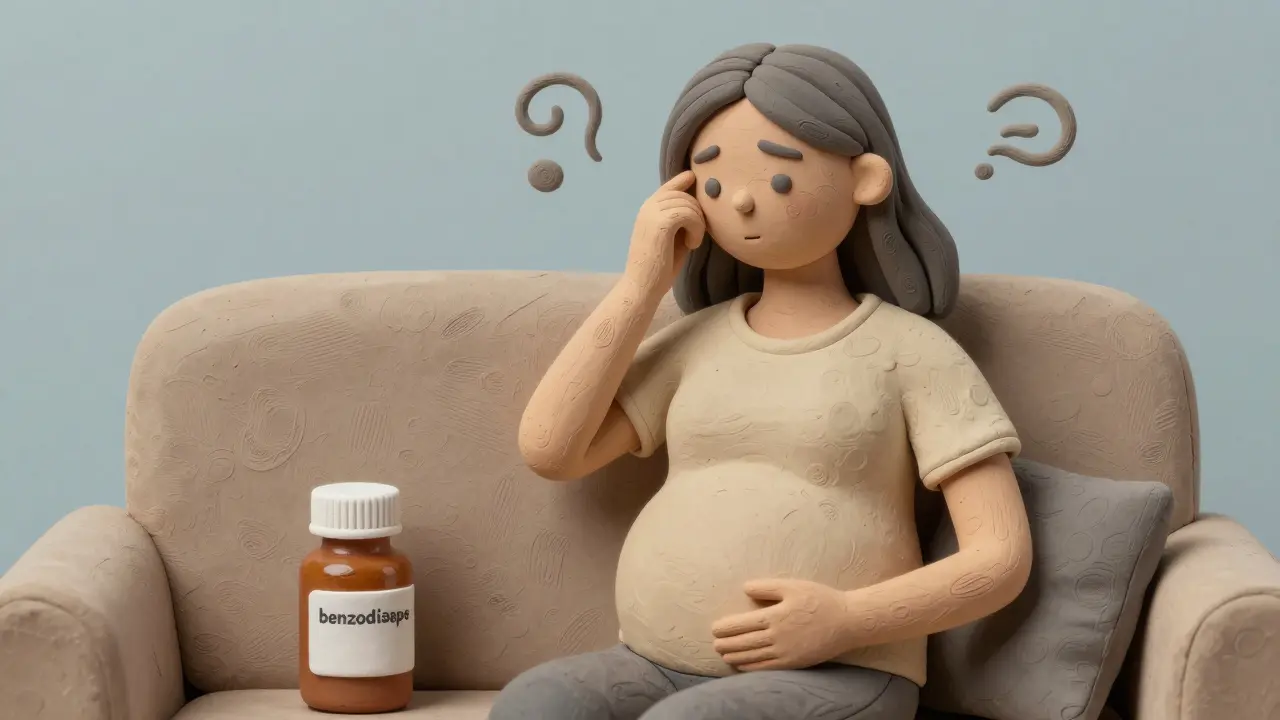
Understanding the Reality
Pregnancy brings countless decisions, and managing mental health during this time adds complex layers. Benzodiazepines are a class of psychoactive medications commonly prescribed for anxiety and insomnia that raise important safety questions during pregnancy. Also known as benzos, first synthesized in 1955 by Leo Sternbach at Hoffmann-La Roche, these medications have been used clinically for decades to help people manage severe stress, panic disorders, and sleep problems. About 15% of women of childbearing age in the United States experience anxiety or sleep disorders that may require medication management.
Here's what most sources don't clarify: approximately 1.7% of pregnant women receive benzodiazepine prescriptions during their first trimester according to JAMA Psychiatry's 2024 nationwide study. That number keeps climbing each year. The core question isn't whether risks exist-they do-but how you weigh those risks against untreated mental health conditions that also affect pregnancy outcomes.
How These Medications Work in Your Body
Benzodiazepines function by enhancing the effect of GABA, a neurotransmitter that calms brain activity. This mechanism makes them effective for acute anxiety attacks, muscle spasms, and severe insomnia. However, they readily cross the placental barrier-the tissue separating your bloodstream from your baby's circulation-and accumulate substantially in fetal tissues.
The drugs work within hours of taking a dose, reaching peak blood concentration quickly before gradually declining over days or weeks depending on half-life. Common examples include:
- Alprazolam (Xanax): Short-acting, widely prescribed for panic disorders
- Lorazepam (Ativan): Intermediate duration, often used for generalized anxiety
- Diazepam (Valium): Long-acting, sometimes prescribed for muscle spasms
- Clonazepam (Klonopin): Used for seizure disorders and severe anxiety
Each one has different metabolic profiles, but all share similar mechanisms affecting developing nervous systems.
What Research Shows About Birth Defect Risks
Multiple large-scale studies have examined connections between benzodiazepine exposure and congenital malformations, producing nuanced findings. Noh et al.'s 2022 nationwide cohort study published in PLOS Medicine analyzed approximately 3.1 million pregnancies in South Korea from 2009-2016. This massive dataset found first-trimester benzodiazepine use associated with a small increased risk of overall malformations-specifically a relative risk of 1.08 (95% CI 1.01-1.15).
| Birth Defect Type | Associated Medication | Relative Risk Increase | Study Size |
|---|---|---|---|
| Dandy-Walker Malformation | General benzodiazepines | OR 3.1 (95% CI 1.1-8.6) | CDC NBDS Study |
| Heart Defects | Lorazepam, General | RR 1.14 (95% CI 1.04-1.25) | PLOS Medicine 2022 |
| Eye Abnormalities | Alprazolam specifically | OR 4.0 (95% CI 1.2-13.1) | CDC NBDS Study |
| Esophageal Issues | Alprazolam | OR 2.7 (95% CI 1.2-5.9) | CDC NBDS Study |
| Pulmonary Valve Stenosis | Lorazepam | OR 4.1 (95% CI 1.2-14.2) | CDC NBDS Study |
The absolute risk numbers matter more than percentages for actual decision-making. According to Women's Mental Health's 2023 report, the absolute risk for malformations was 3.81 per 100 pregnancies with benzodiazepine exposure compared to 2.87 per 100 pregnancies in unexposed controls. That represents roughly 8 additional cases of major congenital malformations per 1,000 exposed pregnancies-a modest increase when viewed contextually.
Studies show the relationship appears dose-dependent. Higher daily doses exceeding 2.5 mg/day of lorazepam-equivalent showed greater risk elevations, demonstrating that dosage matters significantly alongside timing of exposure.
Risks Beyond Physical Malformations
Beyond structural birth defects, research identifies additional pregnancy complications. The JAMA Psychiatry 2024 study revealed an 85% higher risk of miscarriage among pregnant women using benzodiazepines after accounting for measurable confounders. Another large observational study found increased ectopic pregnancy risk when exposure occurred in the 90 days before conception.
Neonatal Complications refer to conditions affecting newborns including withdrawal symptoms, respiratory distress, feeding difficulties, and temperature instability associated with late-pregnancy benzodiazepine exposure. These complications typically manifest within the first week after delivery and may require specialized neonatal intensive care unit admission.Meta-analyses by Grigoriadis et al. documented associations between benzodiazepine exposure during pregnancy and several adverse outcomes:
- Spontaneous abortion risk elevation
- Preterm birth occurrences
- Low birth weight infants
- Small for gestational age classifications
- Reduced Apgar scores at 5 minutes post-delivery
- Increased NICU admissions
The severity of these complications depends heavily on timing, dosage, and duration of exposure throughout the pregnancy timeline.

Absolute Versus Relative Risk: Making Sense of the Numbers
This distinction saves lives but rarely gets explained clearly. When studies report "33% increased risk," headlines grab attention while missing crucial baseline context. Your natural risk for any birth defect is approximately 2-3%. A 33% relative increase translates to moving from roughly 2.87 to 3.81 defective births per 100 pregnancies-not catastrophic, but meaningful.
Consider perspective: maternal smoking increases birth defect risk by approximately 200-300%, alcohol consumption by even higher margins, yet these remain more controversial discussion topics than prescription medications. The medical community prioritizes risk communication differently based on perceived controllability.
For heart defects specifically, the absolute increase runs about 14 additional cases per 1,000 exposed pregnancies compared to unexposed groups. Understanding these concrete numbers helps you weigh trade-offs without fear-based reactions driving clinical decisions.
Which Benzodiazepine Carries Which Risks?
All benzodiazepines share teratogenic potential, but evidence suggests variability among individual medications. Alprazolam emerges consistently across studies as carrying higher risks for specific defects-particularly anophthalmia/microphthalmia (eye development issues) and esophageal atresia/stenosis compared to other benzodiazepines in the same class.
| Medication | Primary Concerns | Half-Life | Relative Safety Rating |
|---|---|---|---|
| Alprazolam | Eye defects, esophageal issues | Short (11-16 hours) | Lower priority option |
| Lorazepam | Heart valve abnormalities | Intermediate (10-20 hours) | Moderate consideration |
| Diazepam | Long-term accumulation effects | Very long (20-100 hours) | Use limited during pregnancy |
| Oxazepam | Fewer active metabolites | Short (4-10 hours) | Sometimes preferred if medication needed |
These distinctions matter because switching from a higher-risk agent like alprazolam to another benzodiazepine doesn't eliminate dangers-it only shifts the risk profile slightly. The decision matrix becomes increasingly complex when balancing efficacy for your specific condition against theoretical harm probabilities.
First Trimester: The Critical Window
Your baby's organogenesis-the process where major organs form-occurs primarily during weeks 3-12 of pregnancy. This developmental period represents maximum vulnerability to teratogenic exposures. The American College of Obstetricians and Gynecologists Practice Bulletin No. 92 explicitly recommends avoiding benzodiazepines during the first trimester whenever possible due to established potential for teratogenic effects.
Why does timing matter? By week 12, all major organs have taken basic shape. Exposure during weeks 13-40 carries different risk profiles related more to growth restriction, behavioral changes, and neurodevelopmental outcomes rather than structural malformations. The critical window closes around month four.
If you've been taking benzodiazepines continuously and discover pregnancy, abrupt discontinuation poses significant risks itself-including rebound anxiety, seizures in some cases, and withdrawal complications that could harm both mother and fetus. Gradual tapering under medical supervision becomes essential.

Alternatives and Treatment Approaches
Non-pharmacological interventions represent first-line recommendations according to multiple guidelines. Cognitive Behavioral Therapy (CBT) shows strong effectiveness for anxiety disorders with minimal fetal risk exposure. The British Journal of Clinical Pharmacology 2023 study supporting reduced medication reliance emphasizes evidence showing CBT alone can effectively manage moderate anxiety and insomnia.
Other alternatives worth exploring include:
- Acceptance and Commitment Therapy (ACT): Mindfulness-based approach for stress management
- Prenatal yoga and meditation: Reduces cortisol levels, improves sleep quality
- Lifestyle modifications: Regular exercise, improved sleep hygiene, dietary adjustments
- Supportive counseling: Individual therapy sessions focusing on pregnancy-specific anxieties
- Sleep hygiene protocols: Structured routines improving rest without sedating medications
When medications absolutely necessary, some clinicians consider SSRIs or SNRIs-selective serotonin reuptake inhibitors-as potentially safer alternatives despite their own risk profiles. However, the International Pregnancy Safety Study Consortium's ongoing 2024-2026 prospective cohort study aims to provide more definitive evidence comparing all psychiatric medication classes during pregnancy.
Clinical Guidelines and Current Recommendations
The FDA maintains benzodiazepines as Pregnancy Category D drugs, indicating positive evidence of human fetal risk but acknowledging benefits may outweigh risks in certain circumstances. The European Medicines Agency similarly recommends avoidance during first trimester unless absolutely necessary.
According to the American Psychiatric Association's 2020 guidelines, clinicians should evaluate each case individually, considering:
- Severity of the underlying mental health condition
- Response to non-pharmacological interventions
- Potential harm from untreated psychiatric illness
- Previous medication responses
- Availability of safe alternatives
- Patient preference and values
Questions to Ask Your Healthcare Provider
Armed with knowledge, you can have productive conversations about your specific situation. Here are essential questions:
Should I stop my benzodiazepine immediately if I'm pregnant?
No-abrupt cessation can trigger dangerous withdrawal symptoms, seizures, or severe anxiety rebound. Always consult your provider for gradual tapering schedules tailored to your dosage, duration, and pregnancy stage.
What if my anxiety is too severe to skip medication?
Untreated severe anxiety harms pregnancy outcomes through elevated stress hormones, poor nutrition choices, and inadequate self-care. Your doctor may weigh benefits differently and consider the lowest effective dose or switching to alternative medications with better safety profiles.
Can I breastfeed while taking benzodiazepines?
Generally not recommended, especially short-acting benzos concentrated in breast milk. If continuation essential, timing feeds immediately after dosing minimizes infant exposure, but pediatric consultation required for monitoring infant sedation signs.
Will my baby be affected even if I only took benzodiazepines briefly?
Brief exposure carries lower cumulative risk than chronic use, but timing still critical. Brief first-trimester exposure presents greater concern than occasional second or third-trimester use. Discuss exact dates with your provider.
What monitoring should I expect during pregnancy?
Enhanced ultrasound screening typically includes detailed anatomy scans at weeks 18-22 examining heart structure, neural tube integrity, and facial development. Additional targeted imaging may focus on areas showing elevated association patterns with specific medications.
Bottom Line for Decision-Making
The evidence supports careful consideration rather than blanket prohibition. Benzodiazepines present real but quantifiable risks that vary by medication type, dose, timing, and duration. Untreated mental illness independently threatens pregnancy success through mechanisms we understand well now-stress hormones, nutritional neglect, sleep deprivation, and increased accident risk.
Every pregnancy differs fundamentally. What matters most: open dialogue with providers, documenting all exposures accurately, pursuing enhanced surveillance, and making decisions aligned with your values rather than fear. When medication proves essential, choosing agents with better safety profiles, minimizing doses, and restricting exposure windows provides the best protection for both you and your developing baby.
Mark Zhang
April 2, 2026 AT 17:50I really hope this information helps everyone navigate these tough choices safely. It feels overwhelming when you read about risks without seeing the full picture. Mental health struggles are real and they shouldn't be dismissed lightly. Your provider should always walk through options with you step by step. Support systems matter so much during pregnancy too. I know many women who found peace without medication through therapy alone. Others needed support to stay stable and managed their anxiety effectively. Every situation is different and requires individual care plans. We must trust science while acknowledging human emotion plays a role. Take your time reading through the data presented here. You deserve to feel heard and understood by your team. Please prioritize your well-being alongside your baby's development.
Rachelle Z
April 4, 2026 AT 02:38The stats are scary!!! 😱 Why would anyone take this risk?? 🤔 It seems like people panic and grab the nearest pill bottle instead of thinking!! 😅 But I guess life isn't that simple! 😒
The Charlotte Moms Blog
April 5, 2026 AT 15:20Reading this makes me incredibly worried for future mothers!!! The statistics regarding heart defects are absolutely alarming!!! We cannot ignore these numbers!!! Parents need to demand better safety protocols!!!
Hudson Nascimento Santos
April 6, 2026 AT 06:44It is fascinating how we balance these risks in modern medicine. Society always demands perfect safety for our children. But nothing is truly safe here in this world. We weigh fear against necessity constantly throughout life. Mental health is often ignored in these calculations. Stress hormones hurt babies too much to ignore. So we must choose the lesser evil perhaps. Philosophy asks what defines harm exactly in biology. The chemical or the state of mind matters more than we admit. Both shape the womb environment deeply and quickly. We ignore the mother's suffering sometimes in these discussions. That pain is palpable in every story told online. Statistics give us numbers without faces or names. Real decisions happen in doctor offices quietly and privately. Wisdom comes from knowing the limits of data completely.
sophia alex
April 7, 2026 AT 14:02This is a total disaster waiting to happen!!! :D Everyone should be freaking out right now!!! Why is this even sold legally??? We need stricter laws!!! :( It ruins families for life!!!
Hope Azzaratta-Rubyhawk
April 9, 2026 AT 01:29Panic does not solve complex medical issues responsibly. We must approach this with clear minds. Fear causes irrational reactions that hurt outcomes. Evidence suggests careful management works better than panic. You have control over your choices if you seek help. Professional guidance is essential for safety here. Do not listen to fear-mongering on social media. Trust in your healthcare providers' expertise fully. Strength comes from informed decision making processes. Protect yourself and your child with proper planning. Stay positive and focused on solutions not problems.
simran kaur
April 9, 2026 AT 09:22They want you to think it is safe to protect profits. Big Pharma never releases the full truth about side effects. These studies are funded by drug companies themselves. Read the footnotes and you will see the bias. Control is lost when you rely on outside chemicals. Natural remedies are always ignored by doctors. Wake up before it is too late for your family.
Jenna Carpenter
April 9, 2026 AT 11:59Ugh so many peoplle dont understand the risks. Thes medecines are dangerous and shouln't be used. Just stick to yoga or somthing like that instead. Its basic common sense really.
Brian Shiroma
April 11, 2026 AT 07:20This article misses the mark on withdrawal dangers completely.
Branden Prunica
April 12, 2026 AT 15:23I saw someone lose everything because of meds. Then I saw another lose sanity without help. The middle ground is where we fight hardest daily. Doctors love to give pills for quick fixes always. Patients want to feel better right now today. Babies grow silently inside our bellies though. We don't see the damage until birth arrives. Heart valves closing improperly is scary news indeed. Eyes not forming properly is even scarier still. My cousin took valium during her second pregnancy. She had to stop cold turkey after finding out. Withdrawal nearly sent her to the hospital bed. Now she talks about therapy as the only way forward. CBT takes work but it saves your future self. I pray everyone makes informed choices wisely please.
Vicki Marinker
April 13, 2026 AT 10:56Personal anecdotes do not constitute empirical evidence in any field. The sample size of your experience is statistically insignificant. We need controlled trials rather than stories from cousins. Ignoring the data leads to poor public policy outcomes. Silence is often preferable to loud unverified claims.
HARSH GUSANI
April 15, 2026 AT 04:31Only fools trust big pharma blindly 😠 We must protect our own people 👨👩👧👦. Stop taking pills 🙅♂️. Think about freedom 💪. Health is wealth 💰. Stay strong friends 👊.
Aysha Hind
April 15, 2026 AT 13:30The hidden agenda behind these studies is obvious to those who look closely. Chemical lobbies push narratives that benefit stock prices more than safety. Colorful lies mask the brutal reality of dependency cycles. Freedom is sacrificed for a quiet night's sleep often. We must question every statistic released officially. True power lies in rejecting prescribed solutions entirely.
Lawrence Rimmer
April 17, 2026 AT 00:43Humanity fears uncertainty more than known dangers sometimes. We trade away safety for the illusion of control. The philosophical implications of risk assessment are profound. Existence itself involves navigating probabilities constantly. Wisdom dictates balancing acts rather than absolutes.