
Antitrust Laws and Competition Issues in Generic Pharmaceutical Markets
When you walk into a pharmacy and pick up a generic version of a branded drug, you’re probably not thinking about the legal battles that made that cheaper option possible. But behind every dollar you save on your prescription is a complex web of patents, regulatory loopholes, and antitrust enforcement that’s been fought over for decades. The generic drug market is one of the most important battlegrounds for competition law in modern healthcare - and it’s not just about price. It’s about access, fairness, and whether the system is working for patients or just for big corporations.
How the Hatch-Waxman Act Created the Modern Generic Market
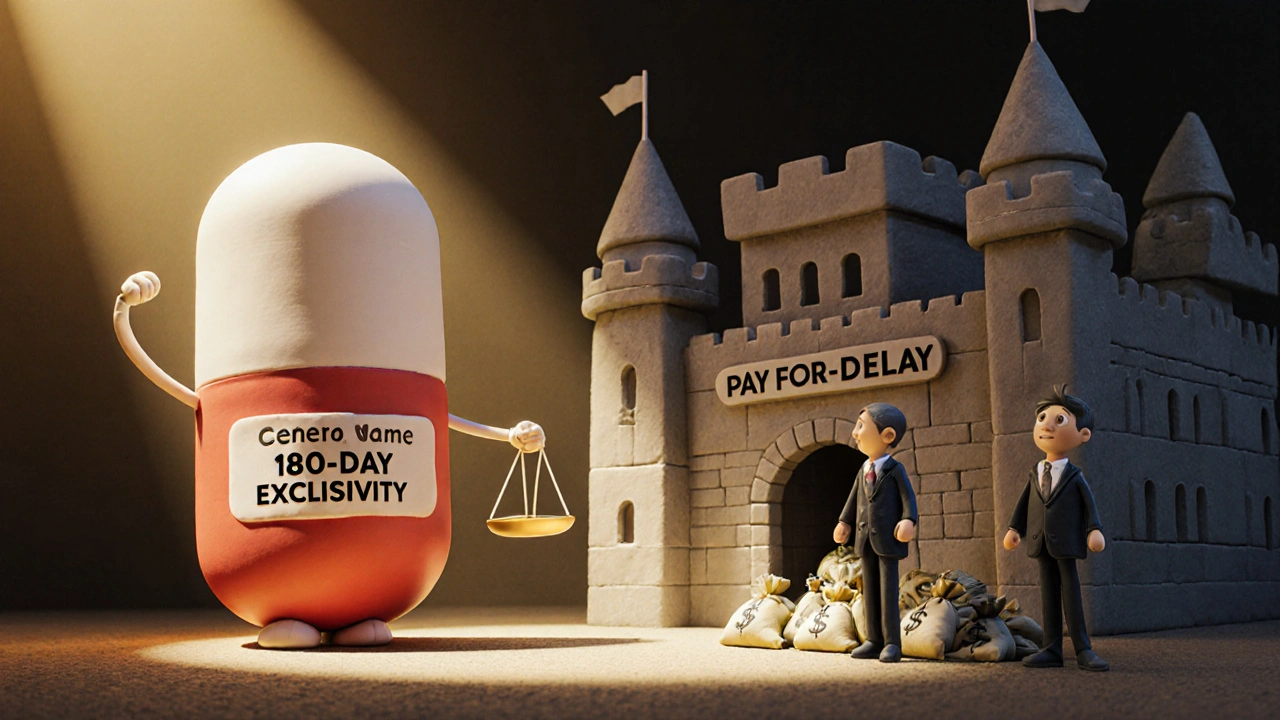
In 1984, the U.S. Congress passed the Drug Price Competition and Patent Term Restoration Act, better known as the Hatch-Waxman Act. It was a compromise: give brand-name drug companies extra patent time to make up for delays in FDA approval, and give generic manufacturers a clear, faster path to market. The idea was simple - more competition means lower prices. And it worked. Before 1984, only about 19% of prescriptions filled in the U.S. were for generics. By 2016, that number jumped to 90%. Between 2005 and 2014, Americans saved $1.68 trillion because of generic drugs. In 2012 alone, the savings hit $217 billion. But the law didn’t just lower prices - it created new ways for companies to game the system. The Act gave the first generic company to challenge a patent with a “Paragraph IV certification” 180 days of exclusive market access. That sounds fair - reward the first mover. But it also created a powerful incentive: if the brand-name company can delay that first generic, they can keep their monopoly for years longer. And that’s where things started to go off track.Pay-for-Delay: When Brands Pay Generics to Stay Off the Market
One of the biggest abuses in the generic drug space is called “pay-for-delay.” It sounds like a scam - because it is. A brand-name company pays a generic manufacturer to hold off from launching its cheaper version. The generic gets a cash payout, and the brand keeps its high prices. These deals aren’t just unethical - they’re illegal under antitrust law. The Supreme Court ruled in 2013, in FTC v. Actavis, that these reverse payments could violate antitrust rules if they’re large and unexplained. Since then, the FTC has pursued over 18 pay-for-delay cases between 2000 and 2023. Settlements have totaled more than $1.2 billion. One of the most famous cases involved Gilead Sciences, which paid $246.8 million in 2023 to settle allegations it blocked generic versions of its HIV drug Truvada. That’s not just a fine - it’s a warning. If you’re paying a competitor not to compete, the government will come after you.The Orange Book and Other Regulatory Tricks
The FDA keeps a public list called the “Orange Book” that shows every patent tied to a branded drug. Generic companies have to check this list before filing their application. If they believe a patent is invalid or doesn’t apply, they file a Paragraph IV certification - and trigger the 180-day exclusivity clock. But some companies abuse this system. They list patents that have nothing to do with the actual drug - like packaging designs or manufacturing methods - just to clutter the list and scare off generics. In 2003, the FTC took action against Bristol-Myers Squibb for listing patents on a drug called Abilify that weren’t even relevant. That’s not innovation - it’s obstruction. Another tactic is “product hopping.” This happens when a brand-name company makes a tiny change to a drug - like switching from a pill to a capsule - right before its patent expires. Then they push doctors and patients to switch to the new version, even if it’s not better. AstraZeneca did this with Prilosec and Nexium. The courts didn’t rule it illegal, but the FTC called it a “classic” way to delay generics. And it works: when patients switch to the new version, they often can’t go back to the cheaper generic, even after it’s approved.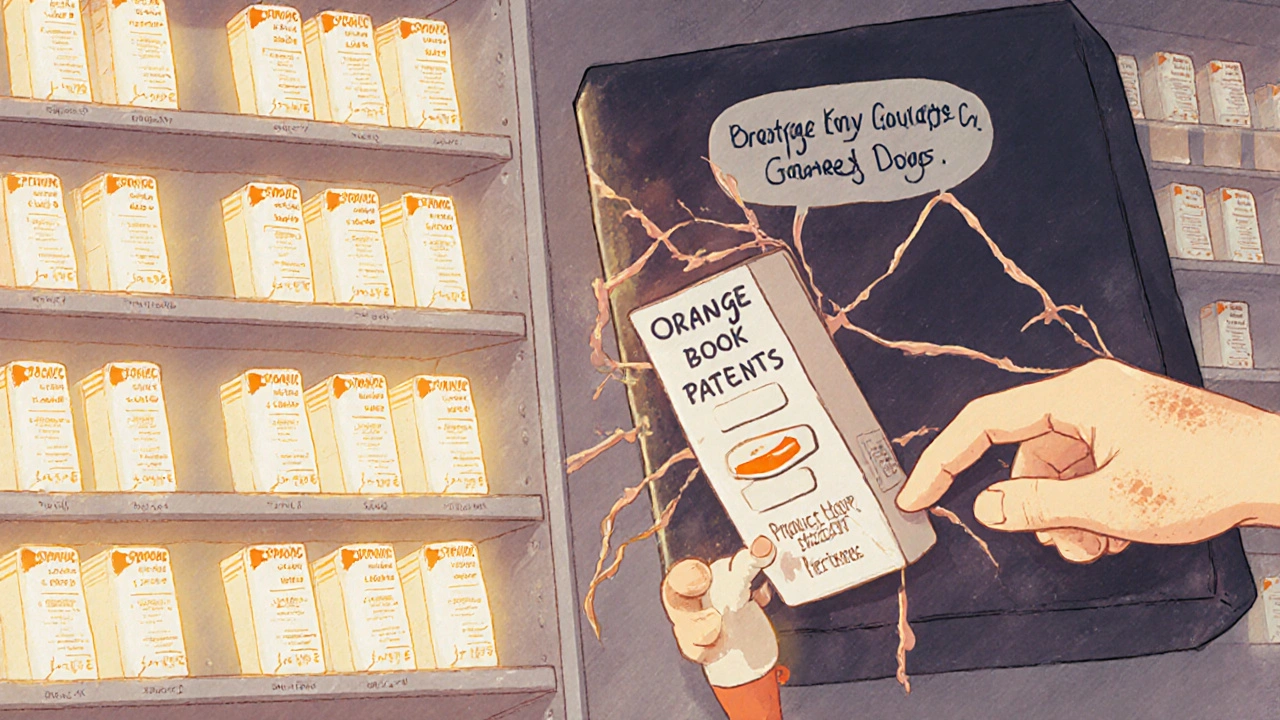
Sham Petitions and Disparagement: Silencing Competition
You might think that if a company can’t stop generics legally, they’d just compete on price. But some try to silence them through the system itself. One method is filing “sham citizen petitions” with the FDA. These are fake complaints - often with no scientific basis - asking the agency to delay approval of a generic drug. Teva Pharmaceuticals is currently being sued by the FTC for doing this with its multiple sclerosis drug Copaxone. The petitions claimed safety concerns that didn’t exist. The goal? To stretch out the timeline and keep prices high. Then there’s disparagement. Some brand-name companies spread rumors about generics - saying they’re less effective, have more side effects, or aren’t “real” drugs. These claims are often false, but they stick. A 2022 Kaiser Family Foundation survey found that 29% of U.S. adults skip or cut back on medications because of cost. If patients believe generics are inferior, they’ll pay more for the brand - even when it’s not necessary.Global Differences: How Other Countries Handle Generic Competition
The U.S. isn’t alone in this fight. The European Union has been aggressive too. Between 2018 and 2022, the European Commission opened 27 antitrust cases in pharma - 60% of them involved delaying generic entry. One common trick? Withdrawing marketing authorization in specific countries to block generics from entering. Another? Making false claims to patent offices to extend protection. China took a hardline approach in January 2025, releasing new Antitrust Guidelines for the Pharmaceutical Sector. They identified five “hardcore restrictions” that are automatically illegal: price fixing, output limits, market division, joint boycotts, and blocking new technology. By Q1 2025, they’d already penalized six cases - five of them involved price fixing through messaging apps and algorithms. That’s a sign of how serious this has become. Even in China, where generics are cheaper and more common, regulators are cracking down on collusion. The European Commission estimates that delays in generic entry cost European consumers €11.9 billion every year. That’s not just money - it’s people not getting their meds because they can’t afford them.
What’s the Real Cost of Delayed Generic Entry?
It’s easy to talk about billions in savings. But the human cost is harder to measure. When a generic drug is blocked for even a few months, patients pay more. Some skip doses. Some stop taking their meds entirely. Studies show that high drug prices directly reduce adherence - especially for chronic conditions like diabetes, hypertension, or asthma. The Congressional Budget Office found that generic competition cuts drug prices by 30% to 90%. That’s not a small difference. For a patient on a fixed income, it could mean the difference between staying healthy and ending up in the hospital. And the impact isn’t just financial. When a generic enters the market, prices drop fast. The first generic can knock prices down by 20% in a year. With five generics competing, the price can fall by nearly 85%. That’s the power of competition - and why companies go to such lengths to stop it.What’s Next? AI, Algorithms, and the Future of Generic Drug Enforcement
The tools used to block generics are evolving. In China, regulators are now using AI to track pricing patterns across online pharmacies and apps. They’re looking for coordinated price spikes that suggest collusion. In the U.S., the FTC is watching for “algorithmic collusion” - where companies use software to monitor each other’s pricing and adjust in real time to avoid competition. The FTC’s 2022 workshop on “Generic Drug Entry after Patent Expiration” made one thing clear: the old tricks - pay-for-delay, product hopping, sham petitions - are still happening. But new ones are emerging. And regulators are scrambling to keep up. The bottom line? Generic drugs save lives and money. But they’re under constant attack. Antitrust laws were meant to protect competition - not let companies turn patents into permanent monopolies. As long as there’s money to be made by delaying generics, the fight won’t end. And patients will keep paying the price.What is the Hatch-Waxman Act and how does it affect generic drugs?
The Hatch-Waxman Act of 1984 created a legal pathway for generic drug manufacturers to bring cheaper versions of branded drugs to market faster. It lets generics file an Abbreviated New Drug Application (ANDA) without repeating costly clinical trials. In exchange, it gives the first generic to challenge a patent 180 days of exclusive sales. This balance was meant to encourage innovation while promoting competition - but it’s been exploited through pay-for-delay deals and patent thickets.
What are pay-for-delay agreements and why are they illegal?
Pay-for-delay agreements happen when a brand-name drug company pays a generic manufacturer to delay launching its cheaper version. These are illegal under U.S. antitrust law because they’re anti-competitive - they keep prices high and block consumer choice. The Supreme Court ruled in 2013 that such payments can violate the law if they’re large and unexplained. The FTC has pursued over 18 of these cases since 2000, with settlements totaling over $1.2 billion.
How do companies use the FDA’s Orange Book to block generics?
The Orange Book lists patents associated with branded drugs. Generic companies must review these before filing. Some brand-name companies abuse this by listing irrelevant patents - like those covering packaging or manufacturing methods - to confuse or intimidate generics. This delays approval and extends monopolies. The FTC took action against Bristol-Myers Squibb in 2003 for this exact practice, calling it an anti-competitive tactic.
What is product hopping and is it illegal?
Product hopping is when a drug company makes a minor change to a medication - like switching from a pill to a capsule - right before its patent expires. They then push doctors and patients to switch to the new version, making the old generic less desirable. While not always illegal, the FTC considers it a tactic to delay competition. AstraZeneca did this with Prilosec and Nexium. Courts have not blocked it outright, but regulators continue to challenge it as anti-competitive.
How do antitrust laws in Europe and China compare to the U.S.?
The EU focuses on regulatory manipulation - like withdrawing marketing authorizations to block generics in specific countries. China’s 2025 Antitrust Guidelines explicitly ban price fixing, market division, and algorithmic collusion in pharma. They’ve already penalized six cases by early 2025. The U.S. targets pay-for-delay and sham petitions. All three regions agree: delaying generic entry harms patients and violates fair competition principles.
What impact do delayed generic entries have on patients?
Delayed generics mean higher prices - and patients often skip doses or stop taking meds altogether. A 2022 Kaiser Family Foundation survey found 29% of U.S. adults don’t take their prescriptions as directed because of cost. The Congressional Budget Office estimates generics reduce drug prices by 30% to 90%. When generics are blocked, even for months, people suffer - and the healthcare system pays more in emergency care and hospitalizations.
Josh Evans
November 30, 2025 AT 18:41Man, I had no idea so many shady tactics were used to block generics. I just thought the prices were high because R&D costs. Guess I was naive. That pay-for-delay stuff is straight-up criminal.
Allison Reed
November 30, 2025 AT 19:41This is one of those issues that flies under the radar but hits people in the pocket every single month. It’s heartbreaking to think someone might skip their insulin because a corporation paid another company not to compete. We need more transparency - and way more enforcement.
Jacob Keil
December 1, 2025 AT 12:15so like... patents are just legal loopholes for monopolies anyway right? like why do we even have them if theyre just used to keep people from living? capitalism is a scam and the FDA is its bitch
Rosy Wilkens
December 3, 2025 AT 09:41Have you ever stopped to consider that this entire system is orchestrated by the globalist pharmaceutical cabal? The FTC? A puppet. The Supreme Court? Complicit. Even the Orange Book is manipulated by shadowy actors who control both sides. The 180-day exclusivity window? A distraction. They want you to think it’s about competition - it’s about population control.
Andrea Jones
December 4, 2025 AT 11:33So let me get this straight - companies pay competitors to NOT sell cheaper medicine... and we’re surprised people can’t afford their prescriptions? Wow. Just wow. I’m impressed by the creativity of greed. Truly, a masterpiece of human ingenuity.
Justina Maynard
December 4, 2025 AT 14:12I once had a friend who had to choose between buying her asthma inhaler or paying rent. She picked rent. Three months later, she was in the ER. This isn’t policy. This is violence disguised as business. And the fact that we shrug and say ‘market forces’ is the real tragedy.
Evelyn Salazar Garcia
December 5, 2025 AT 16:58Too much government. Let the market decide.
Clay Johnson
December 7, 2025 AT 05:27Competition is a myth. All markets are rigged. The only real freedom is in refusing to participate.
Generics save lives. But systems don’t change because they’re right. They change because they’re forced.
Jermaine Jordan
December 8, 2025 AT 04:03Let me tell you something - every time a generic drug hits the market, it’s not just a price drop. It’s a revolution. It’s a child getting their asthma meds. It’s a senior keeping their blood pressure stable. It’s a family not going bankrupt. And every pay-for-delay deal? That’s not a business tactic - that’s a death warrant signed in fine print. We’re not just fighting for lower prices. We’re fighting for the right to live.